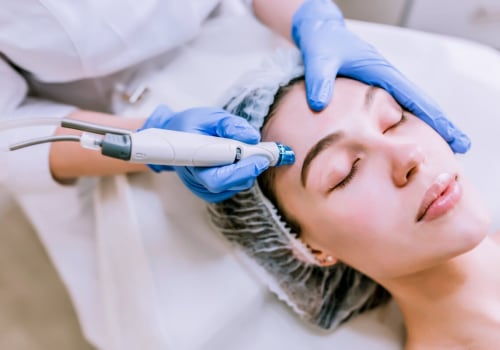
Aesthetic treatments in the UK have surged in popularity over the past decade, with a growing number of individuals seeking non-surgical options to enhance their appearance. From dermal fillersdermal fillers to Botox, these procedures promise quick results with minimal downtime, making them appealing for those looking to rejuvenate their look without the commitment of surgical interventions. However, as the demand for these treatments increases, so does the conversation around their safety and the potential risks associated with undergoing multiple procedures. While many aesthetic treatments are considered safe when performed by qualified professionals, the cumulative effects of receiving multiple treatments can raise concerns. Each procedure carries its own set of risks, and combining them may amplify these dangers.
For instance, patients may experience adverse reactions such as swelling, bruising, or even more severe complications if not properly managed. Understanding the risks of aesthetic treatments is crucial for anyone considering a series of procedures. Moreover, the lack of regulation in the aesthetic industry can lead to inconsistencies in treatment quality and practitioner expertise. This makes it essential for individuals to conduct thorough research and consult with certified professionals before embarking on a journey of multiple aesthetic enhancements. As we delve deeper into this topic, we will explore not only the allure of these treatments but also the critical safety considerations that should be at the forefront of any decision-making process.
Overview of Aesthetic Treatments Available in the UK
Aesthetic treatments in the UK encompass a wide range of procedures designed to enhance appearance and boost confidence.These treatments can be broadly categorized into surgical and non-surgical options, each offering unique benefits and considerations.
Surgical Aesthetic Treatments
Surgical procedures typically involve more extensive interventions and longer recovery times. Some of the most popular surgical aesthetic treatments in the UK include:- Rhinoplasty: Reshaping the nose for improved aesthetics or function.
- Breast Augmentation: Enhancing breast size and shape using implants.
- Liposuction: Removing excess fat from specific areas of the body.
- Facelifts: Tightening and lifting facial skin to reduce signs of aging.
Non-Surgical Aesthetic Treatments
Non-surgical treatments have gained immense popularity due to their minimal downtime and lower risk profiles. Common non-surgical aesthetic procedures available in the UK include:- Botulinum Toxin Injections: Commonly known as Botox, these injections temporarily reduce wrinkles by relaxing facial muscles.
- Dermal Fillers: Used to restore volume and smooth out wrinkles, enhancing facial contours.
- Chemical Peels: Exfoliating treatments that improve skin texture and tone by removing dead skin cells.
- Laser Hair Removal: A long-term solution for unwanted hair, using laser technology to target hair follicles.
Understanding the Risks of Aesthetic Treatments
When considering aesthetic treatments in the UK, it is essential to understand the potential risks involved.While many procedures are generally safe when performed by qualified professionals, there are inherent risks that patients should be aware of.Common Side Effects
- Swelling: This is a typical reaction following treatments such as dermal fillers or Botox, often subsiding within a few days.
- Bruising: Minor bruising can occur, particularly with injectable treatments, and usually resolves quickly.
- Redness: Temporary redness at the treatment site is common and typically fades within hours.
- Infection: Any procedure that breaks the skin carries a risk of infection. Proper aftercare is crucial to minimise this risk.
- Allergic Reactions: Some individuals may experience allergic reactions to the substances used in aesthetic treatments, leading to swelling, itching, or more severe symptoms.
- Asymmetry or Unsatisfactory Results: In some cases, results may not meet patient expectations, leading to dissatisfaction. This can sometimes require additional treatments to correct.
Specific Risks Associated with Multiple Treatments
When considering aesthetic treatments in the UK, it is crucial to understand the specific risks associated with undergoing multiple procedures.While many individuals seek a combination of treatments to achieve their desired results, the cumulative effects and potential interactions between different procedures can pose significant risks.
Cumulative Effects
Each aesthetic treatment has its own set of effects on the body, and when combined, these can lead to unexpected outcomes. For instance, procedures such as dermal fillers and Botox may enhance each other's results, but they can also increase the likelihood of side effects such as swelling, bruising, or even asymmetry if not administered carefully. The more treatments one undergoes, the greater the risk of experiencing adverse reactions.Treatment Interactions
Another critical aspect to consider is how different treatments interact with one another. For example:- Laser Treatments: If a patient has recently undergone laser therapy, adding chemical peels or microdermabrasion too soon can irritate the skin and lead to complications.
- Injectables: Combining various injectables without proper timing can result in an unnatural appearance or increased risk of complications such as vascular occlusion.
- Surgical Procedures: Undergoing surgical interventions in close succession can hinder recovery and increase the risk of infection or scarring.
A thorough consultation should include a discussion about previous treatments, current health status, and any medications being taken to mitigate potential risks.In summary, while multiple aesthetic treatments can offer enhanced results, they also come with specific risks that should not be overlooked. Understanding these risks is vital for anyone considering a comprehensive aesthetic plan.
Consultation and Choosing a Qualified Practitioner
When considering aesthetic treatments in the UK, the importance of consulting with a qualified practitioner cannot be overstated. A thorough consultation not only helps you understand the procedures available but also allows you to assess the practitioner's qualifications and experience.Choosing a Qualified Practitioner
- Check Qualifications: Ensure that the practitioner is registered with a recognised professional body, such as the General Medical Council (GMC)General Medical Council (GMC) or the Nursing and Midwifery Council (NMC). This guarantees that they have undergone the necessary training and adhere to industry standards.
- Experience Matters: Look for practitioners who have extensive experience in performing the specific treatments you are interested in.
Ask about their success rates and request before-and-after photos of previous clients.
- Read Reviews: Online reviews and testimonials can provide insight into other patients' experiences. Look for feedback on both the results of treatments and the overall patient care provided.
The Importance of Consultation
A consultation is your opportunity to discuss your goals, concerns, and medical history. It is essential to ask questions such as:
- What qualifications do you have for performing this treatment?
- What are the potential risks and side effects associated with this procedure?
- How do you handle complications if they arise?
- Can you provide references from previous clients?
By doing so, you can significantly reduce risks and enhance your overall experience.
Patient Experiences: Real Stories and Testimonials
Many individuals considering aesthetic treatments in the UK often seek out real-life experiences to gauge the potential outcomes and risks. Here are some testimonials from patients who have undergone multiple treatments:Emma's Journey: From Hesitation to Confidence
Emma, a 34-year-old marketing professional from London, shared her experience after receiving fillers and Botox in quick succession. "Initially, I was nervous about the idea of combining treatments. However, my practitioner assured me that with proper planning, it could enhance my results.After my first session, I felt a significant boost in my confidence. The key was to communicate openly with my practitioner about my expectations and any concerns I had." Emma noted that while she experienced some swelling initially, it subsided quickly, leaving her thrilled with the results.
James's Cautionary Tale
On the other hand, James, a 45-year-old accountant from Manchester, had a different experience. "I decided to try multiple treatments at once—laser hair removal and skin resurfacing. Unfortunately, I didn’t fully understand the risks involved.I ended up with some irritation that took longer to heal than expected. It taught me the importance of doing thorough research and not rushing into multiple procedures without understanding how they interact with each other." James now advocates for a more cautious approach when considering aesthetic treatments in the UK.
Sarah's Positive Outcome
Sarah, a 28-year-old teacher from Birmingham, had a positive experience with her combination of treatments. "I opted for microdermabrasion followed by chemical peels. My skin felt rejuvenated and looked radiant! I did experience some redness post-treatment, but it was manageable.My advice is to follow your practitioner’s aftercare instructions closely to minimise any side effects." Sarah’s story highlights how effective communication and proper aftercare can lead to successful outcomes.These testimonials illustrate that while there are risks associated with receiving multiple aesthetic treatments in the UK, many patients find their experiences rewarding when they approach their treatments with caution and informed decision-making. Engaging with practitioners who prioritise patient education can significantly enhance the overall experience.
Frequently Asked Questions About Aesthetic Treatments in the UK
When considering aesthetic treatments in the UK, many potential patients have questions regarding safety, effectiveness, and the overall experience. Here are some frequently asked questions that can help clarify these concerns.- What are the most common aesthetic treatments available in the UK?
The most popular aesthetic treatments include dermal fillers, Botox, chemical peels, and laser hair removal. Each treatment has its own specific benefits and considerations. - Are aesthetic treatments safe?
Generally, when performed by qualified professionals in regulated clinics, aesthetic treatments are considered safe.However, it is crucial to research the practitioner’s credentials and ensure they follow safety protocols.
- What should I expect during my consultation?
During your consultation, the practitioner will assess your needs, discuss your medical history, and explain the treatment process. This is also a good time to ask any questions you may have. - How can I minimise risks associated with multiple treatments?
To minimise risks, it is advisable to space out treatments and consult with a qualified practitioner who can provide a tailored plan based on your individual needs. - What are the potential side effects of aesthetic treatments?
Side effects can vary depending on the treatment but may include swelling, bruising, or redness at the injection site. Serious complications are rare but can occur; hence it’s important to follow aftercare instructions.
Conclusion: Making Informed Decisions About Aesthetic Treatments
In conclusion, navigating the world of aesthetic treatments in the UK requires a careful and informed approach. As we have explored, while these procedures can enhance one’s appearance and boost confidence, they are not without their risks.Understanding these risks is crucial for anyone considering multiple treatments. It is essential to consult with qualified professionals who can provide comprehensive information about the potential side effects and complications associated with each treatment. This includes being aware of how different procedures may interact with one another, as combining treatments can sometimes amplify risks.
- Research: Always conduct thorough research on the specific treatments you are considering. Look for reputable clinics and practitioners with positive reviews and verified credentials.
- Consultation: Schedule consultations to discuss your goals and concerns. A good practitioner will take the time to explain the procedures, expected outcomes, and any associated risks.
- Realistic Expectations: Set realistic expectations about what aesthetic treatments can achieve.
Understanding that results can vary greatly from person to person is vital.