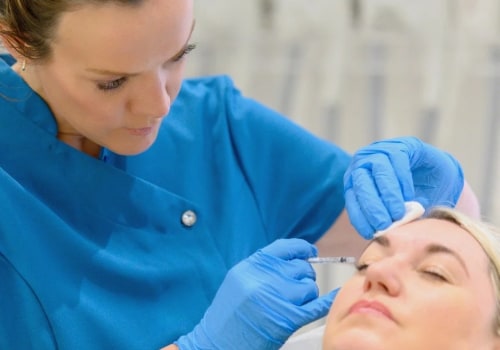
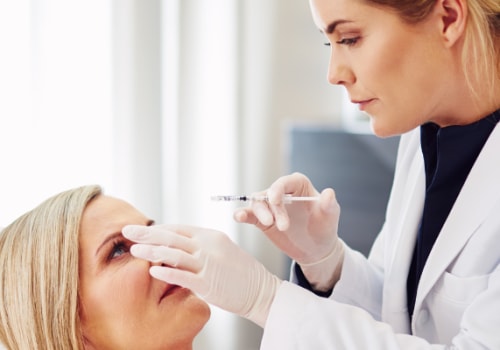
In recent years, the popularity of injectable aesthetic treatments in the UK has surged, with many individuals seeking non-surgical options to enhance their appearance. These treatments, which include dermal fillers and botulinum toxin injections, offer a quick and effective way to address signs of aging, improve facial contours, and boost self-confidence. However, as the demand for these procedures grows, so does the need for understanding the in the UK has surged, with many individuals seeking non-surgical options to enhance their appearance. These treatments, which include dermal fillers and botulinum toxin injections, offer a quick and effective way to address signs of aging, improve facial contours, and boost self-confidence. However, as the demand for these procedures grows, so does the need for understanding the age restrictions that govern their administration.The question of age limits for aesthetic treatments in the UK is particularly pertinent, as it intertwines with broader discussions about safety, ethics, and informed consent. While there is no specific legal age requirement for receiving these treatments, practitioners often adhere to guidelines that recommend a minimum age of 18. This guideline is rooted in the belief that individuals under this age may not fully comprehend the implications of such procedures or be able to provide informed consent.As we delve deeper into this topic, it is essential to consider not only the legal aspects but also the ethical responsibilities of practitioners.
Understanding the nuances of cosmetic procedures and their age limits can help potential clients make informed decisions about their aesthetic journeys. In this article, we will explore the various factors influencing age restrictions for injectable treatments and what they mean for both practitioners and clients alike.
Overview of Injectable Aesthetic Treatments
Injectable aesthetic treatments have gained immense popularity in the UK, offering individuals a non-surgical option to enhance their appearance. These treatments can be broadly categorised into two main types: neuromodulators and dermal fillers.Types of Injectable Treatments in the UK
- Botox: This is perhaps the most well-known injectable treatment, primarily used to reduce the appearance of fine lines and wrinkles. Botox works by temporarily paralyzing the muscles that cause these lines, resulting in a smoother complexion.
- Dermal Fillers: These are used to restore volume and fullness to the face.
Common areas for treatment include the cheeks, lips, and nasolabial folds. Fillers can be made from various substances, including hyaluronic acid, which is naturally found in the body.
- Mesotherapy: This involves injecting a cocktail of vitamins, enzymes, and hormones into the skin to rejuvenate and tighten it. It is often used for facial rejuvenation and body contouring.
- Platelet-Rich Plasma (PRP) Therapy: Also known as the "vampire facial," this treatment uses the patient’s own blood to promote healing and rejuvenation in the skin.
Understanding these factors can help individuals make informed decisions about their aesthetic goals.
Current Age Restrictions for Aesthetic Treatments in the UK
In the UK, the legal age restrictions for receiving injectable aesthetic treatments are primarily governed by guidelines set forth by various regulatory bodies, including the General Medical Council (GMC) and the Care Quality Commission (CQC)Care Quality Commission (CQC). Currently, there are no specific laws that dictate a minimum age for all aesthetic procedures; however, there are general recommendations that practitioners should follow.Age Limits for Cosmetic Procedures
- For most injectable treatments, such as Botox and dermal fillers, practitioners typically do not treat individuals under the age of 18.
- Some clinics may have their own policies that set a higher minimum age, often requiring clients to be at least 21 years old.
Regulations Surrounding Injectable Treatments
The UK does not have a formal licensing system specifically for aesthetic practitioners; however, it is essential that those administering treatments are qualified medical professionals. This includes doctors, nurses, and dentists who have undergone appropriate training in aesthetic procedures.
The GMC advises that practitioners should ensure they are acting in the best interests of their patients, which includes considering age as a significant factor in treatment decisions.In summary, while there is no strict legal age limit for receiving aesthetic treatments in the UK, the consensus among professionals is to refrain from treating anyone under 18 years of age. This reflects a commitment to patient safety and ethical practice within the industry.
Why Age Restrictions Exist
Age restrictions for aesthetic treatments in the UK are primarily established to address safety concerns and ethical considerations. These regulations aim to protect individuals, particularly younger patients, from potential risks associated with cosmetic procedures.Safety Concerns
The human body undergoes significant changes during adolescence, including hormonal fluctuations and physical development. These changes can affect how individuals respond to injectable treatments, such as dermal fillers and Botox.For instance, younger skin may react differently to these substances, leading to unpredictable results or adverse effects. By imposing age restrictions, practitioners can ensure that patients are at a stage of physical maturity where they can safely undergo these procedures.
Ethical Considerations
Beyond safety, there are ethical implications surrounding the administration of aesthetic treatments to younger individuals. Many argue that minors may not possess the emotional maturity required to make informed decisions about altering their appearance. The pressure from social media and societal standards can lead to impulsive choices that may not align with a young person's long-term well-being.Age restrictions serve as a safeguard against such pressures, ensuring that individuals are making decisions based on informed consent rather than external influences.
Regulatory Framework
The UK has established guidelines that dictate the minimum age for various aesthetic procedures. For example, while there is no legal age limit for non-surgical treatments, many practitioners adhere to a guideline of 18 years for injectable treatments. This standard reflects a consensus within the medical community regarding the importance of maturity in both physical and psychological aspects when considering aesthetic enhancements.In conclusion, age restrictions for aesthetic treatments in the UK are rooted in a combination of safety and ethical considerations. By enforcing these regulations, the industry aims to protect vulnerable populations and promote responsible practices within cosmetic medicine.Exceptions and Special Cases
While the general age restrictions for aesthetic treatments in the UK are clear, there are certain exceptions and special cases that may allow younger individuals to receive these procedures under specific circumstances.Medical Necessity
In some instances, individuals under the age of 18 may be eligible for aesthetic treatments if there is a documented medical necessity.For example, treatments for conditions such as severe acne or scarring may be considered appropriate. In these cases, a qualified medical professional must assess the situation and provide a recommendation.
Parental Consent
Another exception involves parental or guardian consent. If a minor wishes to undergo a cosmetic procedure, they may do so with the explicit consent of a parent or legal guardian. This is particularly relevant for treatments that are not classified as invasive but still require careful consideration.Professional Discretion
Healthcare professionals have the discretion to evaluate each case individually.Factors such as the minor's maturity level, understanding of the procedure, and potential psychological impact can influence the decision. Practitioners may choose to proceed with caution and ensure that the young patient is fully informed about the risks and benefits involved.
Regulatory Guidelines
The UK government and various regulatory bodies provide guidelines that practitioners should follow when considering treatment for younger patients. These guidelines often emphasize the importance of thorough consultations and assessments to safeguard the well-being of minors.In summary, while age restrictions exist for aesthetic treatments in the UK, exceptions can be made based on medical necessity, parental consent, and professional discretion. It is crucial for both practitioners and patients to navigate these situations carefully to ensure safe and ethical practices.Public Perception and Trends in Aesthetic Treatments Among Young People
The landscape of aesthetic treatments in the UK has evolved significantly, particularly among younger demographics.Increasingly, young adults are seeking out procedures such as dermal fillers and Botox, driven by a combination of social media influence and changing beauty standards.Public opinion on cosmetic procedures for young people is mixed. While some view these treatments as a form of self-expression and empowerment, others express concern over the potential for body image issues and the pressure to conform to idealised standards. A recent survey indicated that nearly 40% of young adults believe that aesthetic treatments can enhance self-esteem, yet a similar percentage worry about the long-term implications of such procedures.
Societal Views on Injectables
Societal views on injectables are shifting, with many young people now considering them a normal part of beauty routines. Influencers and celebrities often showcase their own experiences with aesthetic treatments, which can normalise these procedures and encourage their followers to explore similar options.This trend raises questions about the appropriateness of such treatments for younger individuals, especially given the lack of stringent regulations in the UK.
- Influence of Social Media: Platforms like Instagram and TikTok play a pivotal role in shaping perceptions, often glamorising aesthetic enhancements.
- Peer Pressure: Many young adults report feeling pressured by peers to undergo treatments to fit in or enhance their appearance.
- Regulatory Concerns: The rise in demand has sparked discussions about the need for stricter regulations to protect younger clients from potential risks.
FAQs About Age Restrictions for Aesthetic Treatments in the UK
When considering aesthetic treatments in the UK, many individuals have questions regarding age restrictions. Here are some of the most frequently asked questions:- What is the minimum age for receiving injectable aesthetic treatments?
The UK law does not specify a minimum age for receiving injectable treatments such as Botox or dermal fillers. However, most reputable clinics adhere to a guideline of not treating anyone under the age of 18. This is primarily to ensure that individuals are mature enough to make informed decisions about their bodies. - Are there any exceptions for younger patients?
In certain cases, practitioners may consider treating patients under 18 if there are compelling medical reasons or psychological factors involved.However, these cases are rare and typically require parental consent and thorough consultation.
- What about non-injectable aesthetic treatments?
For non-injectable procedures like chemical peels or laser treatments, age restrictions can vary. Many clinics will not perform these treatments on individuals under 16 without parental consent, as skin sensitivity and developmental factors must be taken into account. - Is there an upper age limit for aesthetic treatments?
There is no upper age limit for receiving aesthetic treatments in the UK. Many older adults seek these procedures to enhance their appearance and boost confidence. However, practitioners will assess each individual's health and suitability before proceeding.
Always ensure that the clinic follows ethical guidelines and prioritises patient safety.
Conclusion: Key Takeaways on Age Restrictions for Injectable Aesthetic Treatments
In summary, understanding the age restrictions for receiving injectable aesthetic treatments in the UK is crucial for both practitioners and clients. The current guidelines indicate that:- Minimum Age Requirement: Individuals must be at least 18 years old to receive most injectable treatments, including botulinum toxin and dermal fillers. This age limit is in place to ensure that clients are legally considered adults and can provide informed consent.
- Parental Consent: For those under 18, some practitioners may consider offering treatments with parental consent, although this is not common practice and varies by clinic.
- Health Considerations: Regardless of age, a thorough consultation is essential to assess the individual’s health and suitability for treatment. Factors such as skin type, medical history, and psychological readiness play a significant role in determining eligibility.
- Regulatory Compliance: Practitioners must adhere to the UK regulations set forth by governing bodies, ensuring that all treatments are performed safely and ethically.
Treatments should enhance natural beauty rather than conform to unrealistic standards. Therefore, education on the potential risks and benefits of these procedures is vital for all age groups.Ultimately, anyone considering injectable aesthetic treatments should consult with qualified professionals who can provide tailored advice based on individual circumstances. By doing so, clients can make informed decisions that align with their aesthetic goals while prioritising their health and well-being.