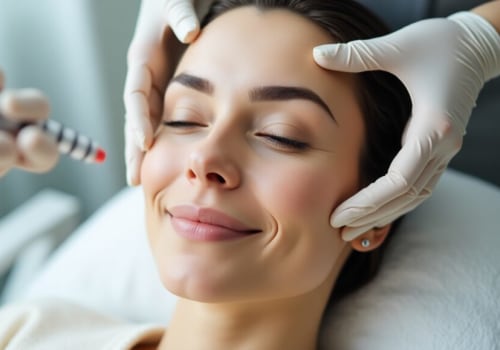
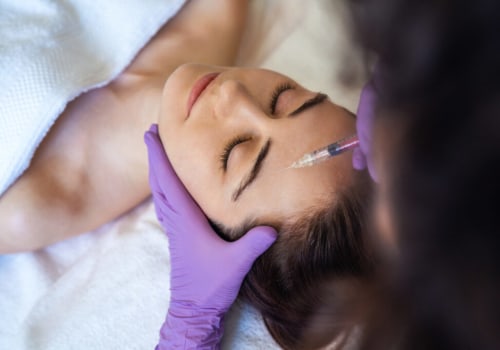
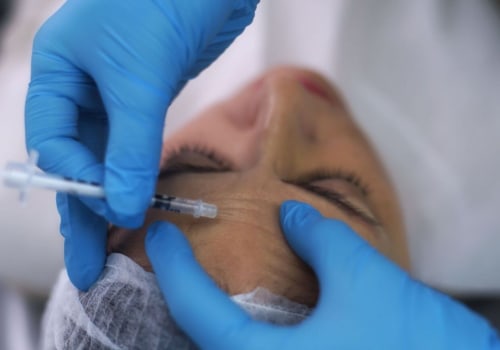
Aesthetic treatments in the UK have gained significant popularity over the past few years, as more individuals seek to enhance their appearance and boost their confidence. These treatments encompass a wide range of procedures designed to improve physical features, from non-invasive options like dermal fillers and chemical peelschemical peels to more invasive surgeries such as facelifts and liposuction. Understanding the various types of aesthetic treatments available is crucial for anyone considering these options. The types of aesthetic treatments can be broadly categorised into non-surgical and surgical procedures. Non-surgical treatments, which include Botox, microdermabrasion, and laser hair removal, are often preferred for their minimal downtime and lower risk profiles.
On the other hand, surgical options tend to offer more dramatic results but come with longer recovery times and potential complications. Regardless of the type, each treatment aims to enhance one’s natural beauty while addressing specific concerns such as wrinkles, sagging skin, or uneven skin tone. The benefits of aesthetic treatments extend beyond mere physical enhancement. Many individuals report increased self-esteem and improved mental well-being following their procedures. The ability to address personal insecurities can lead to a more positive self-image, which is invaluable in today’s society.
Furthermore, with advancements in technology and techniques, many aesthetic treatments are now safer and more effective than ever before, making them accessible to a broader audience.
Researching Your Treatment Options
When considering aesthetic treatments in the UK, thorough research is essential to ensure you make informed decisions that align with your personal goals and expectations. Here are some key steps to guide you through the process:- Understand Your Goals: Begin by identifying what you hope to achieve from the treatment. Are you looking to reduce wrinkles, enhance facial features, or improve skin texture? Having clear objectives will help narrow down your options.
- Explore Treatment Options: The UK offers a wide range of aesthetic treatments, including:
- Botox: A popular choice for reducing fine lines and wrinkles.
- Dermal Fillers: Used to add volume and contour to the face.
- Chemical Peels: Effective for improving skin tone and texture.
- Laser Treatments: Targeted solutions for hair removal, pigmentation, and skin rejuvenation.
- Check Credentials: Ensure that the practitioners you consider are qualified and experienced. Look for certifications from recognised bodies in aesthetic medicine.
- Read Reviews: Patient testimonials can provide insight into the effectiveness of treatments and the quality of care provided by clinics.
- Consultation: Schedule consultations with multiple practitioners. This allows you to ask questions, discuss your concerns, and gauge their approach to treatment.
Remember, a well-informed choice can lead to satisfying results and a positive experience with your aesthetic journey.
Finding a Qualified Practitioner
When considering aesthetic treatments in the UK, finding a qualified practitioner is paramount to ensure both safety and satisfaction with the results. Here are some essential steps to guide you in your search:- Research Credentials: Look for practitioners who are registered with reputable organisations such as the General Medical Council (GMC)General Medical Council (GMC) or the Nursing and Midwifery Council (NMC). These credentials indicate that the practitioner has met specific educational and professional standards.
- Check Experience: Inquire about the practitioner's experience in performing the specific treatment you are interested in. A practitioner with extensive experience is more likely to deliver safe and effective results.
- Read Reviews: Look for patient testimonials and reviews online.
Websites like Trustpilot or RealSelf can provide insights into other patients' experiences, helping you gauge the practitioner's reputation.
- Ask About Training: Ensure that your chosen practitioner has undergone specialised training in aesthetic treatments. This can include courses in injectables, laser treatments, or skin rejuvenation techniques.
- Consultation: Schedule a consultation before committing to any treatment. This meeting allows you to ask questions, discuss your goals, and assess the practitioner's approach to patient care.
- What qualifications do you have in aesthetic medicine?
- How many times have you performed this specific treatment?
- Can you provide before-and-after photos of previous patients?
- What are the potential risks and side effects associated with this treatment?
- What aftercare will be required post-treatment?
Preparing for Your Appointment
Preparing for your aesthetic treatment appointment is crucial to ensure a smooth experience and optimal results.Here’s a detailed checklist to help you get ready:
- Consultation: Schedule a pre-treatment consultation with your practitioner. This is your opportunity to discuss your goals, ask questions, and understand the procedure.
- Medical History: Be prepared to provide a comprehensive medical history. Inform your practitioner about any medications you are taking, allergies, or previous treatments.
- Avoid Blood Thinners: In the week leading up to your appointment, avoid blood-thinning medications and supplements such as aspirin, ibuprofen, and vitamin E to reduce the risk of bruising.
- Hydration: Drink plenty of water in the days before your treatment. Staying hydrated can improve your skin's appearance and overall health.
- Avoid Alcohol: Refrain from consuming alcohol for at least 24 hours prior to your appointment, as it can increase swelling and bruising.
- Skin Care Routine: Maintain your regular skin care routine but avoid harsh treatments like chemical peels or microdermabrasion in the week leading up to your appointment.
- Plan Your Day: On the day of your appointment, wear comfortable clothing and avoid heavy makeup.
Arrive with enough time to fill out any necessary paperwork without feeling rushed.
What to Expect During the Appointment
When you arrive for your aesthetic treatment appointment in the UK, it’s natural to feel a mix of excitement and apprehension. Understanding what to expect can help ease any nerves and ensure a smooth experience.Initially, you will be greeted by the clinic staff, who will guide you through the necessary paperwork. This typically includes a medical history form and consent documents.It’s essential to be honest about your health history, as this information is crucial for your safety during the treatment.
Consultation Phase
Before any procedure begins, a thorough consultation will take place with your practitioner. During this time, you can discuss your goals and expectations regarding the aesthetic treatments UK offers. Your practitioner will assess your skin type and condition, explain the treatment options available, and recommend the best approach tailored to your needs.The Treatment Process
Once you’ve agreed on a treatment plan, the procedure will commence. Depending on the type of aesthetic treatment—be it dermal fillers, Botox, or laser therapy—the process may vary:- Preparation: The area to be treated will be cleansed thoroughly.
- Anesthesia: For some treatments, a topical anesthetic may be applied to minimise discomfort.
- The Procedure: Your practitioner will perform the treatment with precision, ensuring your comfort throughout.
However, this varies depending on individual pain thresholds and the specific treatment being performed.
Post-Treatment Expectations
After the treatment, you may experience some swelling or redness in the treated area. This is normal and usually subsides within a few hours to days. Your practitioner will provide aftercare instructions to help manage any side effects and ensure optimal results.In summary, being well-informed about what happens during an aesthetic treatment appointment can significantly enhance your experience. From initial consultations to post-treatment care, understanding each step helps set realistic expectations and contributes to a successful outcome.Post-Treatment Care and Recovery
After undergoing aesthetic treatments in the UK, proper post-treatment care is crucial for optimal recovery and results.Each treatment may have specific aftercare instructions, but there are general guidelines that can help ensure a smooth recovery.
Immediate Aftercare
Immediately following your treatment, you may experience some swelling, redness, or discomfort. Here are some essential tips:- Follow your practitioner’s advice: Always adhere to the specific aftercare instructions provided by your practitioner, as they know your individual needs best.
- Avoid touching the treated area: This helps prevent infection and ensures that the treatment settles properly.
- Apply cold compresses: If recommended, use a cold compress to reduce swelling and soothe any discomfort.
Long-term Care
As you recover, consider these long-term care tips to maintain your results:- Stay hydrated: Drinking plenty of water aids in healing and helps maintain skin elasticity.
- Avoid sun exposure: Protect your skin from direct sunlight and use a high-SPF sunscreen to prevent pigmentation changes.
- Limit strenuous activities: Avoid intense exercise or activities that may cause excessive sweating for at least 48 hours post-treatment.
Monitoring Your Recovery
Keep an eye on your recovery process. If you notice any unusual symptoms such as prolonged swelling, severe pain, or signs of infection (like pus or increased redness), contact your practitioner immediately. Regular follow-ups can also help assess the effectiveness of the treatment and address any concerns you may have.By following these post-treatment care tips, you can enhance your recovery experience and enjoy the full benefits of your aesthetic treatments in the UK.Frequently Asked Questions (FAQs)
When considering aesthetic treatments in the UK, it's natural to have questions and concerns.Here are some of the most frequently asked questions that can help you prepare for your appointment.
What should I expect during my first consultation?
Your initial consultation is a crucial step in the process. During this meeting, you will discuss your goals and expectations with a qualified practitioner. They will assess your suitability for the treatment and explain the procedure in detail, including potential risks and side effects.Are aesthetic treatments safe?
Most aesthetic treatments are considered safe when performed by a qualified professional. However, it’s essential to choose a reputable clinic and ensure that the practitioner is registered with appropriate regulatory bodies.Always ask about their qualifications and experience.
How long do results last?
The longevity of results varies depending on the type of treatment. For instance, dermal fillers may last from six months to two years, while Botox typically lasts three to six months. Your practitioner will provide specific information based on your chosen treatment.What are the common side effects?
- Swelling
- Bruising
- Redness
- Discomfort
How can I prepare for my appointment?
To ensure a smooth experience, consider the following tips:- Avoid blood-thinning medications and alcohol for at least 24 hours before your appointment.
- Stay hydrated and maintain a healthy diet leading up to the treatment.
- Discuss any allergies or medical conditions with your practitioner beforehand.
Conclusion: Key Takeaways for Your Aesthetic Treatment Journey
As you embark on your journey towards aesthetic treatments in the UK, it is essential to keep several key takeaways in mind to ensure a successful and satisfying experience.- Do Your Research: Understanding the various aesthetic treatments UK offers is crucial.
Familiarise yourself with the types of procedures available, their benefits, and potential risks.
- Choose a Qualified Practitioner: Always opt for a certified and experienced professional. Check their credentials, read reviews, and consider scheduling a consultation to gauge their expertise.
- Prepare Your Questions: Before your appointment, prepare a list of questions regarding the treatment process, recovery time, and expected results. This will help you feel more informed and confident.
- Understand the Costs: Aesthetic treatments can vary significantly in price. Ensure you have a clear understanding of the costs involved, including any follow-up treatments or consultations.
- Manage Your Expectations: While aesthetic treatments can enhance your appearance, it’s important to have realistic expectations about the outcomes.
Discuss these with your practitioner during your consultation.
- Follow Pre-Treatment Guidelines: Adhere to any pre-treatment instructions provided by your practitioner. This may include avoiding certain medications or substances that could affect the treatment's effectiveness.