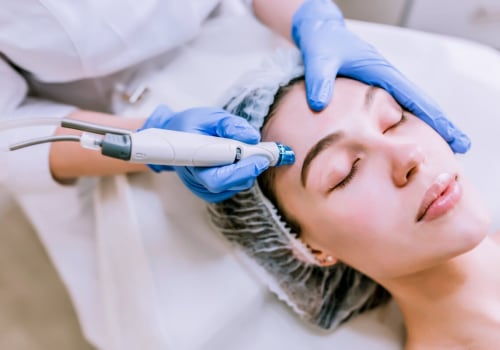
Aesthetic treatments in the UK have surged in popularity over the past decade, becoming a significant part of the beauty and wellness industry. From non-surgical procedures like dermal fillers and Botox to more invasive options such as facelifts and liposuction, these treatments offer individuals a chance to enhance their appearance and boost their confidence. However, with this rise in popularity comes a plethora of Aesthetic treatments in the UK have surged in popularity over the past decade, becoming a significant part of the beauty and wellness industry. From non-surgical procedures like dermal fillers and Botox to more invasive options such as facelifts and liposuction, these treatments offer individuals a chance to enhance their appearance and boost their confidence. However, with this rise in popularity comes a plethora of misconceptions that can cloud public perception and lead to uninformed decisions. Many people still associate aesthetic procedures with extreme transformations or celebrity culture, believing that such treatments are only for the rich and famous. In reality, aesthetic treatments in the UK are accessible to a broader audience than ever before, with various options tailored to different budgets and needs.
Furthermore, the advancements in technology have made these procedures safer and more effective, allowing for natural-looking results that cater to individual preferences. Addressing these misconceptions is crucial for anyone considering aesthetic procedures. Understanding the facts behind aesthetic treatments can empower individuals to make informed choices about their bodies and self-image. As we delve deeper into this topic, we will explore some of the most common myths surrounding aesthetic treatments in the UK, helping to demystify the process and encourage a more realistic view of what these procedures entail.
Misconception 1: Aesthetic Treatments Are Only for the Rich and Famous
One of the most prevalent misconceptions surrounding aesthetic treatments in the UK is the belief that these procedures are solely reserved for the wealthy elite. This stereotype can deter many individuals from exploring options that could enhance their appearance and boost their confidence.In reality, the landscape of aesthetic treatments has evolved significantly over the years.With advancements in technology and an increase in competition among clinics, many procedures have become more accessible and affordable. Here are some key points to consider:
- Diverse Pricing Options: Aesthetic clinics now offer a range of treatments at various price points, making it possible for individuals from different financial backgrounds to find suitable options.
- Payment Plans: Many clinics provide flexible payment plans or financing options, allowing clients to spread the cost of their treatments over time.
- Promotions and Packages: Seasonal promotions and bundled treatment packages are common, enabling clients to receive multiple services at a reduced rate.
People from all walks of life are embracing these treatments to address specific concerns, whether it’s reducing signs of aging or enhancing facial features.In conclusion, the notion that aesthetic treatments in the UK are only for the rich and famous is outdated. With a variety of affordable options and increasing accessibility, these treatments are becoming a viable choice for many individuals looking to enhance their appearance and self-esteem.
Misconception 2: Aesthetic Treatments Are Unsafe and Unregulated
One of the most prevalent misconceptions surrounding aesthetic treatments in the UK is the belief that they are inherently unsafe and unregulated. This notion can deter individuals from seeking procedures that could enhance their appearance and boost their confidence. However, understanding the regulatory landscape and safety measures in place can help dispel these fears.In the UK, aesthetic treatments are subject to strict regulations designed to protect patients.The Care Quality Commission (CQC)Care Quality Commission (CQC) oversees many aesthetic clinics, ensuring they meet high standards of care and safety. Additionally, practitioners must adhere to guidelines set by professional bodies such as the British Association of Aesthetic Plastic Surgeons (BAAPS) and the General Medical Council (GMC), which require ongoing training and adherence to ethical practices.
Key Safety Measures in Aesthetic Treatments:
- Qualified Practitioners: Only trained and qualified professionals are allowed to perform aesthetic procedures. This includes doctors, nurses, and dentists who have undergone specific training in aesthetic medicine.
- Informed Consent: Patients must be fully informed about the risks and benefits of any treatment before proceeding. This ensures that they make educated decisions regarding their care.
- Emergency Protocols: Reputable clinics have emergency protocols in place to address any adverse reactions or complications that may arise during or after a procedure.
Procedures such as dermal fillers and Botox are performed using advanced techniques that minimise risks. When conducted by qualified professionals in a regulated environment, these treatments can be both safe and effective.In conclusion, while concerns about safety and regulation in aesthetic treatments UKaesthetic treatments UK are understandable, it is crucial to recognise that there are robust systems in place to protect patients. By choosing accredited practitioners and reputable clinics, individuals can confidently explore the benefits of aesthetic treatments without undue fear.
Misconception 3: Aesthetic Treatments Provide Instant Results
One of the most prevalent misconceptions surrounding aesthetic treatments in the UK is the belief that they deliver instant results. While some procedures may show immediate effects, the reality is often more nuanced, and understanding the timeline for results is crucial for setting realistic expectations.For instance, treatments such as dermal fillers can provide noticeable changes right after the procedure, but optimal results may take a few days to fully manifest as swelling subsides and the product settles.Similarly, Botox typically requires a waiting period of about three to five days before the full effects are visible. This delay is due to the time it takes for the neurotoxin to relax the targeted muscles.
Understanding Treatment Timelines
- Laser Treatments: Results from laser skin resurfacing or hair removal may not be immediately apparent. Patients often need multiple sessions, with improvements becoming more evident over weeks.
- Chemical Peels: The skin may initially appear red or flaky post-treatment, but significant improvements in texture and tone typically emerge after a week or two.
- Microneedling: While some patients notice a glow right after treatment, collagen production takes time, with optimal results visible around three months later.
A thorough consultation with a qualified practitioner can help clarify what to expect and ensure that patients are well-informed about their treatment journey.In conclusion, while some aesthetic procedures may offer quick fixes, many require patience and a commitment to follow-up treatments for lasting results. By fostering realistic expectations, patients can enjoy their aesthetic journey with greater satisfaction and confidence.
Misconception 4: All Aesthetic Treatments Are Painful
One of the most prevalent misconceptions surrounding aesthetic treatments in the UK is the belief that all procedures are inherently painful. While some treatments may involve a degree of discomfort, advancements in technology and pain management techniques have significantly improved the patient experience.Many aesthetic clinics now employ various methods to ensure comfort during procedures. For instance, topical anaesthetics are commonly used to numb the skin before injections, making treatments like dermal fillers and Botox much more tolerable.Additionally, some practitioners use vibration devices or cooling systems to distract from any potential pain during the procedure.
Options for Minimising Discomfort
- Topical Anaesthetics: Creams applied to the skin can effectively reduce sensation in the treatment area.
- Intravenous Sedation: For more invasive procedures, some clinics offer sedation options that help patients relax and feel less aware of discomfort.
- Advanced Technology: Laser treatments and ultrasound technologies often come with built-in cooling mechanisms that alleviate pain during the procedure.
- Patient-Centric Approaches: Many practitioners take time to discuss pain management options with patients, tailoring their approach based on individual pain thresholds and preferences.
Misconception 5: Aesthetic Treatments Are Only for Women
One of the most persistent misconceptions surrounding aesthetic treatments in the UK is the belief that these procedures are exclusively for women.This stereotype not only undermines the growing number of men who are embracing aesthetic enhancements but also perpetuates outdated gender norms.In recent years, there has been a significant shift in the perception of aesthetic treatments. Men are increasingly recognising the benefits of procedures such as Botox, dermal fillers, and skin rejuvenation treatments. According to industry reports, the number of men seeking these services has risen dramatically, with many clinics now offering tailored packages specifically designed for male clients.
Breaking Down Gender Stereotypes
The idea that aesthetic procedures are solely for women is rooted in traditional views of masculinity, which often discourage men from prioritising their appearance. However, as societal norms evolve, more men are challenging these stereotypes.They understand that looking good can enhance their confidence and overall well-being.
- Botox: Once considered a "female-only" treatment, many men now opt for Botox to reduce fine lines and maintain a youthful appearance.
- Dermal Fillers: These are increasingly popular among men looking to add volume to their cheeks or lips without appearing overly done.
- Skin Treatments: Procedures like chemical peels and laser therapy are gaining traction among male clients who want to improve skin texture and tone.
Misconception 6: Aesthetic Treatments Are Permanent Solutions
One of the most prevalent misconceptions surrounding aesthetic treatments in the UK is the belief that these procedures offer permanent results. While some treatments may provide long-lasting effects, the reality is that many are designed to be temporary and require ongoing maintenance to sustain the desired appearance.For instance, popular non-surgical options such as dermal fillers and Botox typically last between six months to two years, depending on various factors including the individual's metabolism and the specific product used.This means that patients will need to schedule regular follow-up appointments to maintain their results.
Understanding Temporary vs Permanent Aesthetic Procedures
- Temporary Treatments: These include injectables like Botox and fillers, which gradually break down in the body. Regular touch-ups are essential for maintaining a youthful look.
- Semi-Permanent Treatments: Some laser treatments or skin resurfacing options can last longer but still require periodic sessions to keep skin looking its best.
- Permanent Solutions: While certain surgical procedures, such as facelifts, can offer more enduring results, they come with their own set of risks and recovery times.
Patients should be prepared for a journey that involves regular upkeep to ensure their results remain fresh and vibrant over time.
Frequently Asked Questions About Aesthetic Treatments in the UK
When considering aesthetic treatments in the UK, many potential patients have questions that can help clarify their understanding and dispel common myths. Here are some frequently asked questions:- What are aesthetic treatments? Aesthetic treatments encompass a range of procedures aimed at enhancing physical appearance, including non-surgical options like dermal fillers, Botox, and laser treatments.
- Are aesthetic treatments safe? Yes, when performed by qualified professionals in regulated clinics, aesthetic treatments are generally safe. It’s crucial to choose practitioners who are registered and have a good reputation.
- How long do results last? The longevity of results varies by treatment. For instance, Botox typically lasts 3-6 months, while dermal fillers can last from 6 months to 2 years depending on the type used.
- Will I look unnatural after treatment? A common misconception is that aesthetic treatments lead to an unnatural appearance.
When done correctly and conservatively, these procedures can enhance your features while maintaining a natural look.
- Is there any downtime? Many aesthetic procedures require little to no downtime. However, some treatments may cause temporary swelling or bruising, which usually resolves quickly.
Conclusion: Embracing Reality in Aesthetic Treatments
In conclusion, understanding the realities of aesthetic treatments in the UK is crucial for anyone considering these procedures. Throughout this article, we have debunked several common misconceptions that often cloud public perception.It is essential to recognise that aesthetic treatments are not merely about achieving a flawless appearance; they are about enhancing one’s natural beauty and boosting self-confidence.Many individuals believe that these treatments are only for the wealthy or celebrities, but the truth is that a wide range of options exists to suit various budgets. Additionally, the idea that aesthetic procedures are entirely risk-free is misleading. While many treatments are safe when performed by qualified professionals, potential side effects and complications can occur, making it vital to consult with experienced practitioners.Moreover, the misconception that results are instantaneous can lead to disappointment. Many treatments require time for full effects to manifest, and understanding this timeline is key to managing expectations.
It’s also important to note that not all aesthetic treatments are permanent; some require maintenance to sustain results.Ultimately, informed decision-making is paramount. Prospective patients should conduct thorough research, seek consultations with reputable clinics, and discuss their goals and concerns openly with practitioners. By doing so, individuals can make choices that align with their personal desires and health considerations.As the landscape of aesthetic treatments in the UK continues to evolve, embracing a realistic perspective will empower individuals to enhance their beauty safely and effectively. Remember, the journey towards aesthetic enhancement should be as much about self-acceptance as it is about transformation.