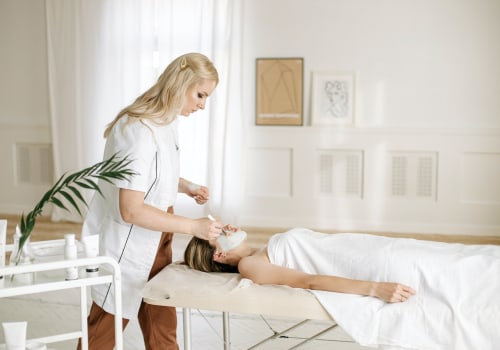
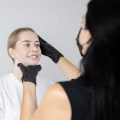
Aesthetic treatments in the UK have surged in popularity over the past decade, becoming a significant part of the beauty and wellness industry. From non-invasive procedures like dermal fillers and chemical peels to more invasive surgeries such as facelifts and liposuction, these treatments offer individuals the opportunity to enhance their appearance and boost their confidence. However, with this growing trend comes a crucial need for awareness regarding the Aesthetic treatments in the UK have surged in popularity over the past decade, becoming a significant part of the beauty and wellness industry. From non-invasive procedures like dermal fillers and chemical peels to more invasive surgeries such as facelifts and liposuction, these treatments offer individuals the opportunity to enhance their appearance and boost their confidence. However, with this growing trend comes a crucial need for awareness regarding the risks associated with aesthetic treatments.While many people seek these cosmetic procedures to achieve their desired look, it is essential to understand that not all treatments are without complications. Each type of procedure carries its own set of potential risks, which can range from mild side effects to severe complications.
For instance, while dermal fillers may result in temporary swelling or bruising, more invasive surgeries can lead to infections or scarring. Therefore, being informed about the risks of aesthetic treatmentsrisks of aesthetic treatments is vital for anyone considering these options. Moreover, the landscape of cosmetic procedures in the UK is diverse, with various practitioners offering a wide array of services. This variability can sometimes lead to inconsistencies in safety standards and patient care. As such, prospective patients must conduct thorough research and consult qualified professionals before undergoing any treatment.
Understanding the potential risks not only prepares individuals for what to expect but also empowers them to make informed decisions about their aesthetic journey.
Overview of Common Aesthetic Treatments
Aesthetic treatments in the UK encompass a wide range of procedures designed to enhance appearance and boost confidence. These treatments can be broadly categorized into three main types: injectables, laser treatments, and surgical options.Injectables
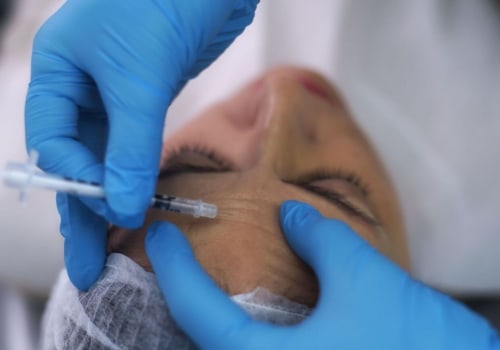
Injectable treatments are among the most popular aesthetic procedures in the UK. They include:- Botulinum toxin (Botox): Used to reduce the appearance of fine lines and wrinkles by temporarily paralyzing muscles.
- Dermal fillers: These are used to restore volume, smooth out wrinkles, and enhance facial contours.
- Mesotherapy: Involves injecting vitamins, enzymes, and hormones to rejuvenate and tighten skin.
Laser Treatments
Laser treatments have gained popularity for their effectiveness in skin rejuvenation and hair removal. Common procedures include:- Laser hair removal: A long-term solution for unwanted hair using concentrated light beams.
- Laser skin resurfacing: Helps improve skin texture and tone by removing damaged outer layers.
- Pigmentation treatment: Targets age spots, sun damage, and other pigmentation issues.
Surgical Options
Surgical aesthetic treatments are more invasive but can provide significant results.These include:
- Rhinoplasty: Nose reshaping surgery that can enhance facial harmony.
- Facelifts: Surgical procedure to reduce sagging skin and improve facial contours.
- Breast augmentation or reduction: Procedures aimed at enhancing or reducing breast size for aesthetic balance.
Injectable Treatments: Risks and Considerations
Injectable treatments, particularly Botox and dermal fillers, have gained immense popularity in the UK for their ability to enhance facial aesthetics. However, it is crucial to understand the associated risks and considerations before undergoing these procedures.Common Side Effects
While many individuals experience satisfactory results, some common side effects can occur:- Bruising: This is one of the most frequent side effects, often resulting from the needle puncturing small blood vessels.
- Swelling: Temporary swelling at the injection site is common and usually subsides within a few days.
- Pain or Discomfort: Mild pain or discomfort may be felt during and after the procedure.
- Headaches: Some patients report headaches following Botox injections, which typically resolve quickly.
Potential Complications
In addition to common side effects, there are potential complications that can arise:- Asymmetry: Uneven results can occur if the treatment is not administered correctly, leading to an unbalanced appearance.
- Allergic Reactions: Although rare, some individuals may experience allergic reactions to the substances used in dermal fillers.
- Infection: Any injection carries a risk of infection, which can lead to more serious health issues if not treated promptly.
- Nerve Damage: In rare cases, injections near nerves can result in temporary or permanent nerve damage, affecting muscle movement.
Factors Increasing Risk
Certain factors can increase the likelihood of experiencing complications:- Inexperienced Practitioners: Choosing a qualified and experienced practitioner is essential to minimise risks.
- Underlying Health Conditions: Individuals with certain health issues may face higher risks during injectable treatments.
- Medications: Some medications can affect blood clotting and increase bruising or bleeding at injection sites.
Consulting with a qualified professional and discussing any concerns beforehand can help ensure a safer experience.
Laser Treatments: What You Need to Know
Laser treatments have gained popularity in the UK for their effectiveness in skin rejuvenation and hair removal. However, like any medical procedure, they come with inherent risks that potential patients should be aware of.Common Risks Associated with Laser Treatments
- Skin Reactions: One of the most common side effects of laser treatments is skin irritation. Patients may experience redness, swelling, or a burning sensation immediately after the procedure. These reactions typically subside within a few hours to a few days.
- Hyperpigmentation or Hypopigmentation: Changes in skin pigmentation can occur, particularly in individuals with darker skin tones.
This can manifest as dark spots (hyperpigmentation) or lighter patches (hypopigmentation) on the treated area.
- Scarring: Although rare, there is a risk of scarring from laser treatments. This is more likely if the skin is not properly cared for post-treatment or if the procedure is performed by an inexperienced practitioner.
- Infection: Any procedure that disrupts the skin barrier carries a risk of infection. It is crucial to follow aftercare instructions to minimise this risk.
Long-Term Effects
While many side effects are temporary, some patients may experience long-term changes in skin texture or colour. It is essential to discuss these potential outcomes with a qualified practitioner before undergoing treatment.
Safety Measures
To ensure safety during laser treatments, it is vital to:
- Select a reputable clinic with experienced professionals.
- Have a thorough consultation to discuss your medical history and any concerns.
- Follow pre- and post-treatment care instructions diligently.
Surgical Aesthetic Procedures: Understanding the Risks
Surgical aesthetic procedures, such as facelifts and breast augmentations, are increasingly popular in the UK, but they come with inherent risks that potential patients must understand.While many individuals achieve their desired results, it is crucial to be aware of the potential complications that can arise.
Common Risks Associated with Surgical Aesthetic Procedures
- Infection: One of the most significant risks following any surgical procedure is infection. This can occur at the incision site and may require additional treatment or surgery.
- Scarring: All surgical procedures will leave some form of scarring. The extent and visibility of scars can vary based on the individual’s healing process and the surgeon's technique.
- Anesthesia Complications: Reactions to anesthesia can range from mild to severe. Patients should discuss their medical history with their surgeon to mitigate these risks.
- Asymmetry: In procedures like breast augmentation or facelifts, there is a risk of asymmetry, where one side may not match the other perfectly, leading to dissatisfaction with the results.
- Blood Clots: Post-surgery, patients are at risk for blood clots, particularly in the legs.
This can lead to serious complications if not addressed promptly.
Recovery Challenges
The recovery period following surgical aesthetic procedures can also present challenges. Patients may experience swelling, bruising, and discomfort that can last for several weeks. Adhering to post-operative care instructions is essential for a smooth recovery and optimal results.
The Importance of Choosing Qualified Practitioners
To minimise risks associated with surgical aesthetic procedures, it is vital to choose a qualified and experienced practitioner. Researching credentials, reading reviews, and having thorough consultations can help ensure that patients are making informed decisions about their care.
A reputable surgeon will discuss all potential risks and complications openly, allowing patients to weigh their options carefully before proceeding.
Non-Surgical Treatments: Benefits and Risks
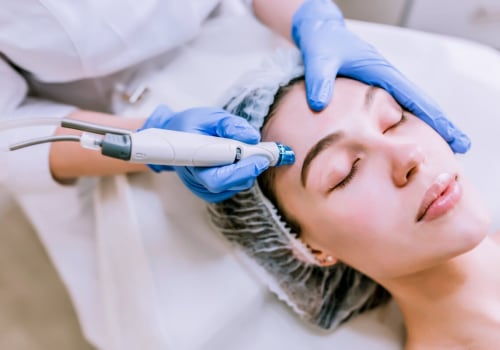
Non-surgical aesthetic treatments have gained immense popularity in the UK due to their ability to enhance appearance with minimal downtime. However, it is crucial to understand the risks associated with these procedures, such as chemical peels and microdermabrasion.Chemical Peels: Side Effects
Chemical peels involve applying a solution to the skin to exfoliate and improve texture. While they can effectively treat issues like acne scars and pigmentation, they also come with potential side effects:- Redness and irritation: Post-treatment, patients may experience redness similar to sunburn, which typically subsides within a few days.
- Peeling: As the name suggests, peeling is a common occurrence as the skin regenerates. This can last from a few days to a week.
- Hyperpigmentation: In some cases, especially for those with darker skin tones, chemical peels can lead to increased pigmentation.
- Infection risk: If not performed in a sterile environment or if aftercare instructions are not followed, there is a risk of infection.
Microdermabrasion: Complications
Microdermabrasion is a less invasive procedure that exfoliates the outer layer of skin using fine crystals.While it is generally safe, complications can arise:
- Sensitivity: Patients may experience heightened sensitivity post-treatment, making their skin more reactive to products and environmental factors.
- Bruising: Some individuals may notice minor bruising or swelling, particularly if they have sensitive skin.
- Allergic reactions: There is a possibility of allergic reactions to the products used during the treatment.
- Pore enlargement: Overzealous treatment can lead to enlarged pores or an uneven skin texture.
Regulatory Standards and Safety Measures in the UK
The landscape of aesthetic treatments in the UK is governed by a comprehensive regulatory framework designed to ensure patient safety and treatment efficacy. Understanding these regulations is crucial for both practitioners and patients alike.In the UK, aesthetic treatments are primarily regulated by the Care Quality Commission (CQC)Care Quality Commission (CQC) and the General Medical Council (GMC). These bodies set forth guidelines that practitioners must adhere to, ensuring that all procedures are performed in a safe environment by qualified professionals.The CQC, for instance, inspects clinics and practices to ensure they meet essential safety standards.
Key Regulations and Guidelines:
- Training and Qualifications: Practitioners must have appropriate training and qualifications to perform aesthetic procedures. This includes not only medical qualifications but also specific training in aesthetic techniques.
- Informed Consent: Patients must be fully informed about the risks and benefits of treatments before giving consent. This process is vital in ensuring that patients make educated decisions regarding their care.
- Post-Treatment Care: Regulations stipulate that practitioners should provide adequate post-treatment care and follow-up to monitor any adverse effects or complications.
Furthermore, patients are encouraged to seek treatments only from CQC-registered facilities, which ensures a level of oversight and accountability.In conclusion, the regulatory standards governing aesthetic treatments in the UK play a pivotal role in safeguarding patient health. By understanding these regulations, both practitioners and patients can work together to ensure that aesthetic procedures are performed safely and effectively.
Frequently Asked Questions about Aesthetic Treatment Risks
When considering aesthetic treatments in the UK, many individuals have questions regarding the potential risks involved. Here are some of the most frequently asked questions:What are the common risks associated with aesthetic treatments?
Common risks can vary depending on the type of treatment, but generally include:- Infection: Any procedure that involves breaking the skin carries a risk of infection.
- Allergic Reactions: Some patients may experience allergic reactions to substances used in treatments, such as fillers or anaesthetics.
- Scarring: There is a possibility of scarring, particularly with surgical procedures.
- Asymmetry: Results may not be symmetrical, especially in treatments like dermal fillers or Botox.
- Swelling and Bruising: Temporary swelling and bruising are common after many aesthetic procedures.
How can I minimise risks during aesthetic treatments?
To minimise risks, consider the following:- Choose a qualified and experienced practitioner.
- Discuss your medical history and any allergies with your practitioner.
- Follow pre- and post-treatment care instructions carefully.
Are there specific risks for certain types of treatments?
Yes, different treatments come with unique risks. For example:- BOTOX: Risks include drooping eyelids or an uneven smile if not administered correctly.
- Dermal Fillers: There is a risk of vascular occlusion, which can lead to serious complications if filler is injected into a blood vessel.
Conclusion: Making Informed Decisions about Aesthetic Treatments
In conclusion, navigating the world of aesthetic treatments in the UK requires a thorough understanding of the potential risks involved.As we have explored, each type of treatment—from injectables to surgical procedures—carries its own set of complications that can vary significantly based on individual circumstances.It is crucial for individuals considering these treatments to engage in comprehensive research and consult with qualified professionals. This ensures that they are not only aware of the benefits but also the risks associated with their chosen procedure. Here are some key takeaways:
- Consultation is Key: Always seek a detailed consultation with a certified practitioner who can provide insights tailored to your specific needs.
- Understand the Risks: Familiarise yourself with common side effects and complications related to your desired treatment.
- Consider Your Health: Pre-existing health conditions can influence the safety and effectiveness of aesthetic procedures.
- Post-Treatment Care: Follow all aftercare instructions provided by your practitioner to minimise risks and enhance results.
Remember, beauty should never come at the cost of your health.