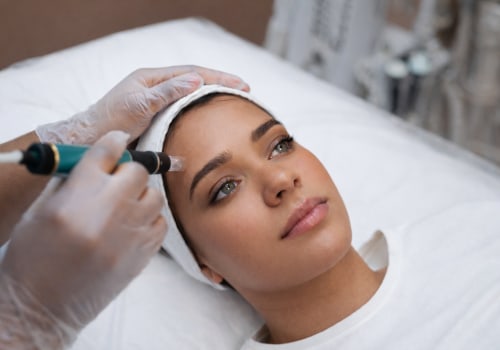
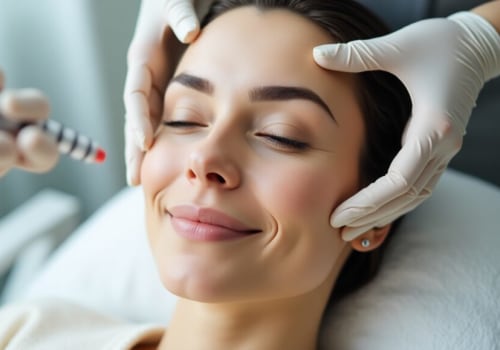
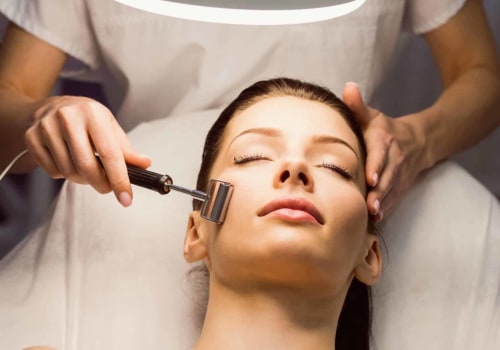
Aesthetic treatments in the UK have surged in popularity over the past decade, becoming a significant part of the beauty and wellness industry. These procedures, which range from non-invasive treatments like Botox and dermal fillers to more extensive cosmetic surgeries, cater to a diverse clientele seeking to enhance their appearance and boost their confidence. As societal norms evolve and the stigma surrounding cosmetic procedures diminishes, more individuals are exploring their options for aesthetic enhancement. The types of aesthetic treatments available in the UK are vast and varied, each designed to address specific concerns. For instance, skin rejuvenation techniques such as chemical peels and laser therapy aim to improve skin texture and tone, while body contouring procedures help sculpt and define areas of the body.
With advancements in technology, many of these treatments are now safer and more effective than ever before, making them accessible to a broader audience. However, with this growing interest comes the crucial question of safety and reputation. Not all clinics offering aesthetic treatments adhere to the same standards, which is why it is essential for potential clients to conduct thorough research before committing to any procedure. Understanding what constitutes a reputable clinic can help ensure that individuals receive safe and effective care tailored to their needs.
Key Indicators of a Reputable Cosmetic Clinic
When searching for a reputable cosmetic clinic for aesthetic treatments in the UK, there are several key indicators to consider that can help ensure your safety and satisfaction.- Qualifications and Credentials: Always check the qualifications of the practitioners. Look for clinics where the staff are registered with recognised professional bodies, such as the General Medical Council (GMC) or the Nursing and Midwifery Council (NMC).
This ensures that they have undergone rigorous training and adhere to high standards of practice.
- Experience: Inquire about the experience of the practitioners in performing specific aesthetic treatments. A clinic with a proven track record in your desired procedure is more likely to deliver safe and effective results.
- Patient Reviews and Testimonials: Look for reviews from previous patients. Websites like Trustpilot or Google ReviewsGoogle Reviews can provide insights into others' experiences. Positive feedback and high ratings are strong indicators of a clinic's reputation.
- Consultation Process: A reputable clinic will offer a thorough consultation before any treatment.
This should include a discussion of your medical history, expectations, and potential risks. If a clinic rushes this process, it may be a red flag.
- Hygiene Standards: The clinic should maintain high hygiene standards. During your visit, observe whether the environment is clean and if proper sterilisation procedures are followed. This is crucial for ensuring patient safety.
- Transparency: A good clinic will be transparent about their procedures, costs, and potential side effects.
They should provide clear information without pressure to make immediate decisions.
Regulatory Bodies and Certifications in the UK
When considering aesthetic treatments in the UK, understanding the regulatory bodies that oversee cosmetic clinics is crucial for ensuring safety and quality. Two of the primary organisations involved in this oversight are the Care Quality Commission (CQC)Care Quality Commission (CQC) and the General Medical Council (GMC).Care Quality Commission (CQC)
The CQC is an independent regulator of health and social care in England. It ensures that clinics providing aesthetic treatments meet essential standards of quality and safety. A clinic registered with the CQC has undergone rigorous assessments, which include:- Safety: Ensuring that the clinic has appropriate measures in place to protect patients.
- Effectiveness: Confirming that treatments provided are based on best practices and clinical guidelines.
- Caring: Evaluating how well staff interact with patients and their overall experience.
- Responsive: Assessing how well the clinic responds to patient needs and feedback.
- Well-led: Reviewing the leadership and management of the clinic to ensure it operates effectively.
General Medical Council (GMC)
The GMC is responsible for maintaining the official register of medical practitioners in the UK.For aesthetic treatments, it is essential that any medical professional performing procedures is registered with the GMC. This registration indicates that:
- The practitioner has completed necessary training and education.
- They are subject to ongoing assessments and must adhere to strict ethical guidelines.
- They are accountable for their practice, ensuring patient safety is a priority.
Consultation Process: What to Expect
When considering aesthetic treatments in the UK, the consultation process is a crucial first step.This initial meeting not only allows you to discuss your goals and concerns but also helps you assess the clinic's professionalism and safety standards.
What to Expect During Your Consultation
- Personalised Assessment: A reputable clinic will begin with a thorough assessment of your medical history, skin type, and aesthetic goals. This ensures that any treatment recommended is tailored specifically to you.
- Clear Communication: The practitioner should explain the procedures in detail, including potential risks, benefits, and expected outcomes. This transparency is vital for building trust.
- Time for Questions: A good consultation should allow ample time for you to ask questions. Don’t hesitate to inquire about the practitioner’s qualifications, experience, and the clinic’s safety protocols.
Key Questions to Ask
- What qualifications and experience do you have in performing this treatment?
- Can you provide before-and-after photos of previous patients?
- What are the potential side effects or complications associated with this treatment?
- How do you handle emergencies or complications if they arise?
- What aftercare will be required following the treatment?
Remember, a reputable clinic will encourage an open dialogue and make you feel comfortable throughout the process.Ultimately, your consultation should leave you feeling informed and confident about your decision. If at any point you feel rushed or your concerns are dismissed, it may be a sign to reconsider your choice of clinic for aesthetic treatments in the UK.
Patient Reviews and Testimonials: How to Interpret Them
When considering aesthetic treatments in the UK, patient reviews and testimonials can provide invaluable insights into a cosmetic clinic's reputation and safety. However, interpreting these reviews requires a discerning eye.Where to Find Reviews
- Check the clinic's official website for testimonials, but be aware that these may be selectively curated.
- Look at independent review platforms such as Trustpilot, Google Reviews, or social media pages where patients share their experiences.
- Consult forums and community groups focused on aesthetic treatments, as they often contain candid discussions about various clinics.
What to Look For
- Consistency: Pay attention to recurring themes in reviews. If multiple patients mention the same positive or negative aspects, it’s likely a reliable indicator of the clinic's quality.
- Detail: Look for detailed accounts of experiences rather than vague statements.
Reviews that describe specific procedures, outcomes, and interactions with staff are more trustworthy.
- Response from the Clinic: A reputable clinic will often respond to reviews, especially negative ones. Their willingness to address concerns can reflect their commitment to patient satisfaction.
Red Flags to Consider
- Overly Positive Reviews: Be cautious of clinics with an overwhelming number of five-star reviews that lack substance. This could indicate manipulation or fake testimonials.
- Lack of Recent Feedback: A clinic with outdated reviews may not reflect current practices or standards. Look for recent patient experiences to gauge the current state of the clinic.
By focusing on consistency, detail, and responsiveness, you can make a more informed decision about where to receive your treatment.
Common Red Flags to Watch Out For
When considering aesthetic treatments in the UK, it’s crucial to be vigilant about the red flags that may indicate a clinic is not reputable or safe. Here are some common warning signs to watch out for:- Lack of Qualifications: Ensure that the practitioners are qualified and registered with relevant professional bodies. If a clinic cannot provide proof of their staff's credentials, it’s a significant red flag.
- Unrealistic Promises: Be wary of clinics that guarantee miraculous results or offer treatments at prices that seem too good to be true. A reputable clinic will provide realistic expectations and discuss potential risks.
- Poor Hygiene Standards: A clean and sterile environment is essential for any cosmetic procedure.
If you notice unclean facilities or a lack of proper sanitisation practices, it’s best to look elsewhere.
- No Consultation Process: A trustworthy clinic will conduct a thorough consultation before any treatment. If they rush you into a procedure without discussing your medical history or treatment options, consider it a warning sign.
- Negative Reviews: Research online reviews and testimonials from previous clients. Consistent negative feedback regarding results or customer service can indicate underlying issues with the clinic.
- Pressure Tactics: If you feel pressured to make a quick decision or are offered discounts for immediate bookings, this could be a tactic used by unsafe clinics to secure business.
The Importance of Aftercare in Aesthetic Treatments
After undergoing aesthetic treatments in the UK, the importance of proper aftercare cannot be overstated. Aftercare is essential not only for ensuring optimal results but also for safeguarding your health and well-being.A reputable clinic will provide you with detailed aftercare instructions tailored to your specific treatment.
Why Aftercare Matters
- Promotes Healing: Following the right aftercare guidelines helps your body heal effectively, reducing the risk of complications.
- Enhances Results: Proper care can significantly enhance the results of your treatment, ensuring that you achieve the desired aesthetic outcome.
- Minimises Side Effects: Adhering to aftercare advice can help minimise potential side effects, such as swelling or bruising, allowing you to recover more comfortably.
- Follow-Up Appointments: Many clinics schedule follow-up visits to monitor your progress and address any concerns.
- Written Instructions: You should receive clear, written aftercare instructions that outline what to do and what to avoid.
- Emergency Contact Information: A trustworthy clinic will provide you with contact details for any urgent queries or complications that may arise.
Frequently Asked Questions About Aesthetic Treatments in the UK
When considering aesthetic treatments in the UK, potential patients often have numerous questions regarding safety and the reputation of cosmetic clinics. Here are some frequently asked questions that can help guide your decision-making process:- What qualifications should I look for in a practitioner?
It is essential to ensure that your practitioner is qualified and registered with a relevant professional body, such as the General Medical Council (GMC) or the Nursing and Midwifery Council (NMC).Look for practitioners who have specific training in aesthetic procedures.
- How can I verify the clinic's reputation?
Research online reviews and testimonials from previous patients. Websites like Trustpilot or RealSelf can provide insights into patient experiences. Additionally, check if the clinic has any awards or recognitions in the field of aesthetics. - What safety measures should a reputable clinic have in place?
A reputable clinic should adhere to strict hygiene standards, have emergency protocols, and provide clear information about potential risks associated with treatments. Ensure they conduct thorough consultations before any procedure. - Are there any red flags I should be aware of?
Be cautious of clinics that offer treatments at significantly lower prices than competitors, as this may indicate compromised quality.Also, avoid clinics that pressure you into making quick decisions without adequate information.
- What should I expect during a consultation?
During your consultation, expect a comprehensive discussion about your medical history, treatment options, and potential outcomes. A trustworthy practitioner will take the time to answer all your questions and address any concerns.
Conclusion: Making an Informed Decision for Your Aesthetic Treatment
In conclusion, choosing a reputable and safe cosmetic clinic for aesthetic treatments in the UK is a critical decision that requires careful consideration. Throughout this article, we have highlighted several key factors to guide you in making an informed choice. Firstly, it is essential to conduct thorough research on the clinic's credentials.Look for clinics that are registered with the Care Quality Commission (CQC) and have qualified practitioners who are members of recognised professional bodies. This ensures that the clinic adheres to strict safety and quality standards. Secondly, consider the importance of client reviews and testimonials. Genuine feedback from previous patients can provide valuable insights into the clinic's reputation and the quality of care provided. Look for clinics with a strong track record of satisfied clients. Additionally, don’t hesitate to schedule consultations with potential clinics.
This allows you to ask questions about their procedures, safety protocols, and aftercare services. A reputable clinic will be transparent about their practices and will take the time to address your concerns. Finally, trust your instincts. If something feels off or if you feel pressured into making a decision, it’s perfectly acceptable to walk away. Your comfort and safety should always come first when considering aesthetic treatments in the UK.By following these guidelines and prioritising your research, you can confidently select a cosmetic clinic that meets your needs and ensures a safe aesthetic experience.