Aesthetic treatments in the UK have surged in popularity over the past decade, transforming from niche procedures to mainstream options for individuals seeking to enhance their appearance. This growing trend reflects a broader societal shift towards self-care and personal expression, where looking good is increasingly seen as synonymous with feeling good. As more people become aware of the various aesthetic treatments available, the motivations behind choosing these enhancements are as diverse as the treatments themselves. Many individuals opt for aesthetic treatments to boost their confidence and self-esteem. In a world dominated by social media and constant visual engagement, the pressure to present oneself in a certain way can be overwhelming.
Treatments such as dermal fillers, Botox, and skin rejuvenation procedures offer quick solutions for those looking to address specific concerns, whether it’s fine lines, volume loss, or uneven skin tone. The desire to look youthful and vibrant is a significant driving force behind this trend. Moreover, the accessibility of aesthetic treatments in the UK has played a crucial role in their rising popularity. With numerous clinics offering a range of services at varying price points, more people than ever are considering these options. Additionally, advancements in technology have made procedures safer and more effective, further encouraging individuals to explore what aesthetic enhancements can do for them.
As societal perceptions continue to evolve, embracing aesthetic treatments is becoming less about vanity and more about personal empowerment and well-being.
The Desire for Enhanced Appearance
In the UK, the pursuit of an enhanced appearance has become increasingly prevalent, with many individuals turning to aesthetic treatments as a means to achieve their beauty goals. The desire to look and feel one’s best is a powerful motivator, leading people to explore various cosmetic improvements that can boost their confidence and self-esteem.One of the most common reasons for seeking aesthetic treatments is the wish to address specific concerns about one’s appearance. Many individuals are particularly focused on areas such as:- Facial rejuvenation: Treatments like Botox and dermal fillers are popular for reducing the appearance of fine lines and wrinkles, providing a more youthful look.
- Skin texture and tone: Procedures such as chemical peels and microdermabrasion help improve skin texture, reduce pigmentation, and promote a radiant complexion. Procedures such as chemical peels and microdermabrasion help improve skin texture, reduce pigmentation, and promote a radiant complexion.
- Body contouring: Non-surgical options like CoolSculpting or liposuction are sought after for their ability to target stubborn fat areas, enhancing body shape without extensive downtime.
With the rise of social media platforms showcasing beauty standards and trends, many feel pressured to conform to these ideals. As a result, aesthetic treatments have become more mainstream, with individuals seeking out solutions that align with their personal beauty aspirations.Ultimately, the desire for an enhanced appearance through With the rise of social media platforms showcasing beauty standards and trends, many feel pressured to conform to these ideals. As a result, aesthetic treatments have become more mainstream, with individuals seeking out solutions that align with their personal beauty aspirations.Ultimately, the desire for an enhanced appearance through aesthetic treatments in the UK reflects a broader cultural shift towards self-care and personal expression. As more people embrace these options, the landscape of beauty continues to evolve, offering diverse solutions tailored to individual needs.
Boosting Self-Confidence and Self-Esteem
Aesthetic treatments in the UK have gained immense popularity, not just for their physical benefits but also for their profound impact on self-confidence and self-esteem. Many individuals seek these treatments to enhance their appearance, which can lead to a significant boost in how they perceive themselves.Research indicates that there is a strong correlation between physical appearance and psychological well-being.A study published in the Journal of Cosmetic Dermatology found that individuals who underwent aesthetic procedures reported higher levels of satisfaction with their appearance, which directly contributed to improved self-esteem. This is particularly relevant in a society where visual impressions can heavily influence personal and professional interactions.Testimonials from clients reveal the transformative effects of aesthetic treatments:
- Emma, 32: "After my treatment, I felt like a new person. I walked into a room with my head held high, something I hadn’t done in years."
- James, 45: "I was always self-conscious about my wrinkles. After my procedure, I not only looked younger but felt more confident in social situations."
- Sophie, 28: "The boost in my self-esteem was immediate.
I started dressing differently and even took up new hobbies!"
Social Media Influence on Aesthetic Choices
In recent years, the influence of social media on aesthetic choices has become increasingly pronounced, particularly in the UK.Platforms like Instagram, TikTok, and Snapchat have transformed the way individuals perceive beauty and self-image, often leading to a surge in demand for aesthetic treatments.
Social Media Impact
Social media serves as a powerful tool for showcasing beauty standards that are often unattainable. Influencers and celebrities frequently share their experiences with various aesthetic treatments, from fillers to skin rejuvenation procedures. This visibility can create a sense of urgency among followers to achieve similar looks, driving them to seek out these treatments.
Aesthetic Trends in the UK
- Natural Looks: Many influencers promote a 'natural' aesthetic, encouraging treatments that enhance rather than alter one's features. This trend has led to an increase in demand for subtle enhancements.
- Self-Care Culture: The rise of self-care as a lifestyle choice has also contributed to the popularity of aesthetic treatments.
Social media campaigns often highlight the importance of investing in oneself, making these procedures more appealing.
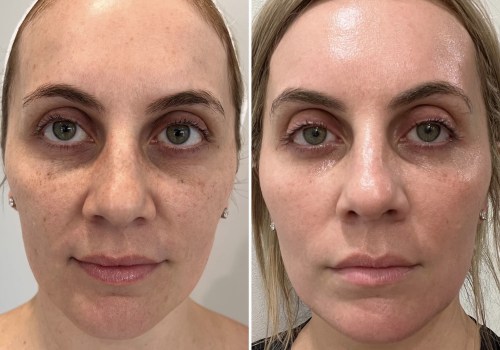
- Before-and-After Transformations: The sharing of before-and-after photos on social media platforms has become a common practice. These visual testimonials can significantly influence potential clients by showcasing the effectiveness of various treatments.
Influencer Culture and Beauty Standards
The role of influencers cannot be overstated; they often set trends that resonate with younger demographics. As they promote specific products or procedures, their followers may feel compelled to conform to these beauty ideals. This phenomenon not only shapes individual choices but also impacts broader societal perceptions of beauty.In conclusion, social media is a driving force behind the increasing popularity of aesthetic treatments in the UK.
By shaping beauty standards and influencing personal choices, these platforms play a crucial role in how individuals approach their aesthetic goals.
Ageing Concerns and Preventative Treatments
As individuals in the UK navigate through their thirties and beyond, ageing concerns often become a significant focus. The desire to maintain a youthful appearance drives many to explore aesthetic treatments as a proactive approach to skincare and overall aesthetics.With advancements in technology and techniques, preventative aesthetic treatments have gained popularity among those who wish to address early signs of ageing before they become more pronounced. These treatments are not solely about reversing the clock; they are about enhancing natural beauty and preserving skin health.Common Preventative Treatments
- Botulinum Toxin Injections: Often referred to as Botox, these injections help to relax facial muscles, reducing the appearance of fine lines and wrinkles.
- Dermal Fillers: Used to restore volume and smooth out deeper lines, fillers can enhance facial contours and provide a more youthful look.
- Chemical Peels: These treatments exfoliate the skin, promoting cell turnover and improving texture, which can help combat early signs of ageing.
- Laser Treatments: Non-invasive laser therapies can target pigmentation, fine lines, and skin laxity, making them an effective option for preventative care.
This shift has encouraged more individuals to consider these options as part of their regular beauty regimen.In conclusion, as the quest for youthful skin becomes increasingly prevalent, understanding the motivations behind seeking aesthetic treatments in the UK is essential. By addressing ageing concerns proactively through preventative measures, individuals can feel empowered in their skincare journey.
Cultural Shifts Towards Aesthetic Procedures
In recent years, the UK beauty culture has undergone significant transformations, leading to a more accepting attitude towards aesthetic treatments. This shift can be attributed to various factors, including the influence of social media, changing perceptions of beauty, and a growing emphasis on self-care.Social media platforms like Instagram and TikTok have played a pivotal role in normalising aesthetic procedures. Influencers and celebrities openly share their experiences with treatments such as fillers, Botox, and skin rejuvenation, making these options seem more accessible and less taboo.As a result, younger generations are increasingly viewing these procedures as a part of their beauty routine rather than an extreme measure.Moreover, the traditional standards of beauty are evolving. The UK is witnessing a shift from the once-dominant ideals of perfection to a more inclusive definition that celebrates individuality. This change encourages people to seek aesthetic treatments not just for conformity but to enhance their unique features. Many individuals now view these procedures as tools for self-expression rather than mere cosmetic fixes.Additionally, the stigma surrounding aesthetic treatments is diminishing.
As more people openly discuss their choices and experiences, it fosters an environment where seeking help for aesthetic concerns is seen as a form of empowerment rather than vanity. This cultural acceptance is crucial in understanding why many are opting for aesthetic treatments in the UK.In summary, the cultural shifts towards aesthetic procedures in the UK reflect broader societal changes that embrace diversity and self-improvement. As these attitudes continue to evolve, it is likely that the popularity of aesthetic treatments will grow even further.
Accessibility and Advancements in Technology
In recent years, the landscape of aesthetic treatments in the UK has transformed significantly, primarily due to remarkable advancements in technology. These innovations have not only enhanced the effectiveness of various procedures but have also made them more accessible to a broader audience.One of the most notable trends is the rise of non-invasive procedures.Treatments such as dermal fillers, laser skin resurfacing, and chemical peels have become increasingly popular as they offer substantial results with minimal downtime. Patients are now able to achieve their desired aesthetic outcomes without the need for extensive recovery periods associated with traditional surgical options.Moreover, the accessibility of these treatments has improved dramatically. With a growing number of clinics and practitioners across the UK, individuals can find services that cater to their specific needs and budgets. Many clinics now offer flexible payment plans and promotional packages, making it easier for people to invest in their appearance.Technological advancements have also led to enhanced safety and precision in aesthetic procedures.
For instance, the use of advanced imaging techniques allows practitioners to plan treatments more effectively, ensuring that results are tailored to each individual’s unique facial structure. Additionally, innovations such as 3D imaging and virtual consultations enable patients to visualise potential outcomes before committing to a procedure.Furthermore, the development of new products and techniques has expanded the range of options available. Patients can now choose from a variety of treatments that suit their lifestyle and preferences, whether they seek subtle enhancements or more dramatic changes. This flexibility is particularly appealing in a society that increasingly values personalisation in beauty and wellness.In conclusion, the combination of technological advancements and improved accessibility has made aesthetic treatments in the UK more appealing than ever.
As these trends continue to evolve, individuals are empowered to make informed choices about their aesthetic journeys.
Common Misconceptions About Aesthetic Treatments
When considering aesthetic treatments in the UK, many individuals are often influenced by common misconceptions that can lead to hesitation or misunderstanding. Addressing these myths is essential for fostering informed decisions.Myth 1: Aesthetic Treatments Are Only for the Rich and Famous
One prevalent misconception is that aesthetic treatments are exclusive to celebrities or the wealthy. In reality, a wide range of options exists at various price points, making these treatments accessible to many. Clinics often offer financing plans, allowing more people to consider aesthetic enhancements.Myth 2: Aesthetic Treatments Are Unsafe
Another common myth is that all aesthetic procedures are dangerous.While it’s true that any medical procedure carries some risk, aesthetic treatments performed by qualified professionals in regulated environments are generally safe. It’s crucial to choose a reputable clinic and consult with certified practitioners who can provide detailed information about the safety measures in place.
Myth 3: Results Are Always Over-the-Top
Many people fear that aesthetic treatments will lead to unnatural or exaggerated results. However, when performed by skilled professionals, these treatments can enhance natural beauty rather than alter it drastically. The goal of most practitioners is to achieve subtle improvements that boost confidence without compromising individuality.Myth 4: Aesthetic Treatments Are Permanent
Some individuals believe that once they undergo an aesthetic treatment, the results will last forever.In truth, many procedures are temporary and require maintenance or follow-up sessions to sustain the desired effects. Understanding the longevity of each treatment can help set realistic expectations.
Myth 5: Aesthetic Treatments Are Only for Women
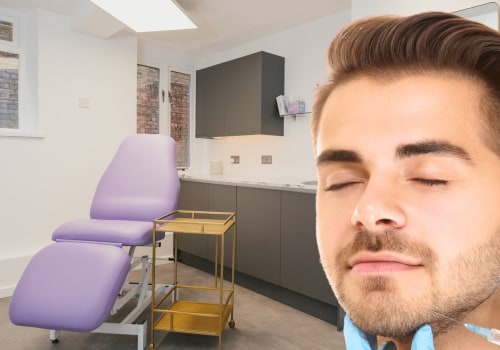
A final misconception is that aesthetic treatments are primarily for women. In fact, an increasing number of men are seeking these services to enhance their appearance and boost self-esteem. The industry is evolving to cater to a diverse clientele, reflecting changing attitudes towards beauty and self-care. By debunking these myths surrounding aesthetic treatments in the UK, potential clients can make more informed choices and feel empowered in their decisions regarding personal enhancement.Conclusion: The Multifaceted Reasons Behind Choosing Aesthetic Treatments
In conclusion, the decision to pursue aesthetic treatments in the UK is influenced by a myriad of factors that reflect both personal desires and societal trends.As we have explored, individuals often seek these treatments for reasons that extend beyond mere vanity.
Self-Confidence and Body Image
- Many people report a significant boost in self-esteem following aesthetic procedures, as they feel more aligned with their self-image.
- Enhancing physical features can lead to a more positive body image, which is crucial in today’s visually driven society.
Social Influences
- The rise of social media platforms has created an environment where appearance is often scrutinised, prompting individuals to consider aesthetic enhancements.
- Celebrity endorsements and influencer culture play a pivotal role in shaping perceptions about beauty standards, leading many to seek similar treatments.
Ageing and Maintenance
- As people age, they may opt for aesthetic treatments to combat signs of ageing, such as wrinkles and sagging skin, thereby maintaining a youthful appearance.
- Preventative treatments are also becoming popular among younger demographics who wish to delay the visible effects of ageing.
Health and Well-being
- For some, aesthetic treatments are not just about looks; they can also contribute to overall well-being by alleviating conditions like acne or scarring.
- The psychological benefits of feeling good about one’s appearance can lead to improved mental health outcomes.