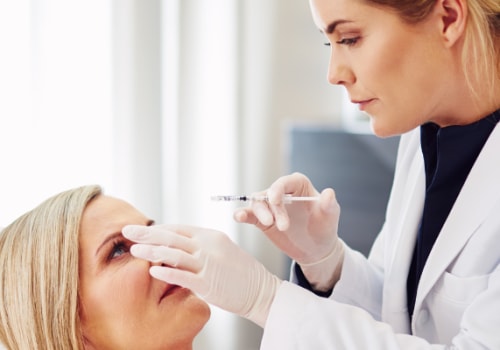
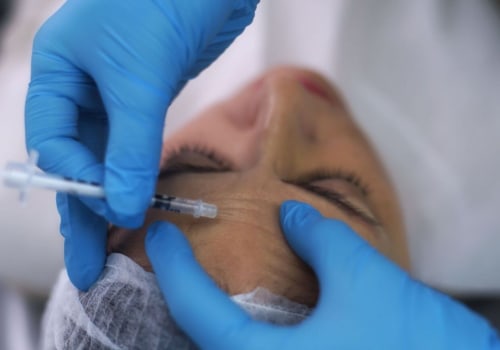
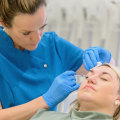
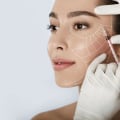
Aesthetic treatments have gained significant popularity in the UK, offering individuals a range of options to enhance their appearance and boost their confidence. These treatments encompass a variety of procedures designed to improve physical features, address skin concerns, and promote overall well-being. From non-invasive procedures to more advanced surgical options, understanding the landscape of aesthetic treatments UK is essential for anyone considering these services. There are several types of aesthetic treatments available, each catering to different needs and preferences. Common categories include injectables such as Botox and dermal fillers, which are used to reduce wrinkles and add volume to the face.
Additionally, laser treatments can effectively target skin issues like pigmentation, acne scars, and unwanted hair. For those seeking more permanent solutions, surgical options like facelifts or liposuction may be considered. Each treatment comes with its own set of benefits and potential risks, making it crucial for individuals to conduct thorough research before making a decision. Understanding what aesthetic treatments entail is the first step in choosing the right option for you. It’s important to consider factors such as your skin type, desired outcomes, and any underlying health conditions.
Consulting with a qualified practitioner can provide valuable insights tailored to your specific needs. By familiarising yourself with the various types of aesthetic treatments available in the UK, you can make an informed choice that aligns with your personal goals and enhances your natural beauty.
Assessing Your Needs and Goals
Choosing the right aesthetic treatment in the UK begins with a clear understanding of your personal needs and aesthetic goals. This self-assessment is crucial as it helps you identify what you hope to achieve and ensures that the treatment aligns with your expectations.1.Define Your Aesthetic Goals
- What are you looking to improve? Consider whether you want to reduce wrinkles, enhance facial volume, or achieve a more youthful appearance.
- Are you seeking a subtle change or a dramatic transformation? Understanding the extent of change you desire will guide your treatment options.
- How do you want to feel? Reflect on how these changes will impact your self-esteem and confidence.
2.Assess Your Personal Needs
- Skin Type: Different treatments cater to various skin types. For instance, those with sensitive skin may need gentler options.
- Health Considerations: Always consider any medical conditions or allergies that may affect your treatment choices.
- Lifestyle: Your daily routine can influence recovery time and maintenance.
Some treatments require more downtime than others.
3.Research Available Treatments
Once you have a clear understanding of your goals and needs, research the aesthetic treatments available in the UK. Popular options include:
- Botox: Ideal for reducing fine lines and wrinkles.
- Dermal Fillers: Great for adding volume and contouring facial features.
- Chemical Peels:Chemical Peels: Effective for improving skin texture and tone.
- Laser Treatments: Suitable for various concerns, including pigmentation and scarring.
4.Consult with Professionals
A consultation with a qualified practitioner can provide valuable insights tailored to your specific situation. They can help clarify which treatments align best with your goals and needs, ensuring a personalised approach to your aesthetic journey.By taking the time to assess your needs and goals, you can make an informed decision about which aesthetic treatment is right for you, leading to satisfying results that enhance your natural beauty.
Popular Aesthetic Treatments in the UK
When considering aesthetic treatments in the UK, it's essential to understand the various options available, each catering to different needs and preferences. Here are some of the most popular treatments:- Botox: This treatment is widely known for its ability to reduce the appearance of fine lines and wrinkles.
Botox works by temporarily paralyzing the muscles that cause these lines, resulting in a smoother complexion.
- Dermal Fillers: Fillers are used to restore volume and fullness to the face. They can enhance features such as lips and cheeks, providing a more youthful appearance. Common types include hyaluronic acid and collagen-based fillers.
- Laser Treatments: These treatments can address various skin concerns, including pigmentation, acne scars, and overall skin texture. Laser therapy works by targeting specific areas of the skin, promoting collagen production and skin rejuvenation.
- Chemical Peels: A chemical peel involves applying a solution to exfoliate the outer layer of skin, revealing a fresher layer underneath.
This treatment can improve skin tone and texture while reducing signs of aging.
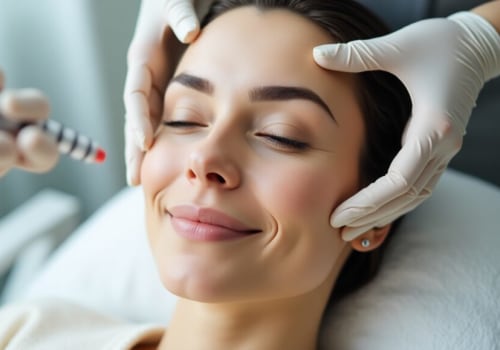
- Microneedling: This minimally invasive procedure uses tiny needles to create micro-injuries in the skin, stimulating collagen production. It's effective for improving skin texture and reducing scars.
Consultation with Professionals
Choosing the right aesthetic treatment in the UK is a significant decision that requires careful consideration and professional guidance.Consulting with qualified practitioners is essential to ensure that you receive safe and effective treatments tailored to your individual needs.During your consultation, it’s crucial to ask the right questions to gauge the practitioner’s expertise and the suitability of the treatment for you. Here are some key questions to consider:
- What qualifications and experience do you have? Ensure that the practitioner is fully qualified and has relevant experience in the specific treatment you are considering.
- Can you provide before-and-after photos of previous clients? This can help you assess their skill level and the potential results you might expect.
- What are the potential risks and side effects? Understanding the risks involved will help you make an informed decision about whether to proceed.
- What is the expected recovery time? Knowing how long it will take to recover can help you plan accordingly.
- What aftercare will be provided? Good aftercare is vital for achieving optimal results and ensuring your safety post-treatment.
Take your time during this process, as it is a vital step towards achieving your aesthetic goals safely and effectively.
Understanding Risks and Side Effects
When considering aesthetic treatments in the UK, it is crucial to understand the potential risks and side effects associated with these procedures. While many treatments are generally safe when performed by qualified professionals, every procedure carries some level of risk.Common Risks and Side Effects
- Injection Treatments: Procedures such as Botox or dermal fillers can lead to temporary swelling, bruising, or redness at the injection site. In rare cases, patients may experience allergic reactions or infections.
- Laser Treatments: Laser hair removal and skin resurfacing can cause skin irritation, pigmentation changes, or scarring. It is essential to follow post-treatment care instructions to minimise these risks.
- Surgical Procedures: More invasive treatments like facelifts or liposuction carry risks such as prolonged recovery time, complications from anaesthesia, and potential for unsatisfactory results.
Assessing Safety
To ensure the safety of your chosen aesthetic procedure, consider the following:- Research Qualified Practitioners: Always choose a licensed and experienced practitioner.
Check their qualifications and reviews from previous clients.
- Consultation: Schedule a thorough consultation to discuss your medical history, expectations, and any concerns you may have. A reputable practitioner will provide clear information about the procedure and its risks.
- Aftercare: Understand the aftercare requirements for your treatment. Proper aftercare can significantly reduce the likelihood of complications.
Cost Considerations for Aesthetic Treatments
When considering aesthetic treatments in the UK, understanding the associated costs is crucial for making an informed decision.The price of these procedures can vary significantly based on the type of treatment, the clinic's location, and the expertise of the practitioner.
Cost of Aesthetic Treatments in the UK
- Botox: Typically ranges from £150 to £350 per session, depending on the number of areas treated.
- Dermal Fillers: Prices can vary from £200 to £600, influenced by the type of filler used and the amount required.
- Laser Treatments: These can cost between £100 and £500 per session, depending on the treatment's complexity and duration.
- Chemical Peels: Expect to pay around £100 to £300 per session, with deeper peels costing more.
Budgeting for Aesthetic Procedures
When planning your budget for aesthetic treatments, consider the following:
- Consultation Fees: Many clinics charge for initial consultations, which can range from £50 to £150.
- Follow-up Treatments: Some procedures require maintenance sessions; factor these into your overall budget.
- Hidden Costs: Be aware of potential additional costs such as aftercare products or follow-up appointments.
Affordable Aesthetic Treatments
If you're looking for more affordable options, consider:
- Seeking out clinics that offer package deals or discounts for multiple treatments.
- Exploring less invasive options that provide results at a lower price point.
- Checking for seasonal promotions or special offers that many clinics run throughout the year.
Aftercare and Maintenance of Aesthetic Treatments
After undergoing aesthetic treatments in the UK, proper aftercare and maintenance are crucial for achieving and sustaining the desired results. Each treatment may have specific aftercare instructions, but there are general guidelines that can help ensure your skin remains healthy and vibrant.Importance of Aftercare
Following your aesthetic procedure, your skin may be sensitive or require special attention.Adhering to aftercare recommendations can:
- Minimise side effects: Reducing swelling, redness, or discomfort.
- Enhance results: Ensuring that the treatment works effectively and lasts longer.
- Prevent complications: Lowering the risk of infections or adverse reactions.
Common Aftercare Tips
While specific aftercare will depend on the type of treatment you receive, here are some common tips to consider:- Avoid sun exposure: Protect your skin from direct sunlight for at least two weeks post-treatment. Use a high-SPF sunscreen to shield your skin.
- Stay hydrated: Drink plenty of water to keep your skin hydrated and support healing.
- Follow skincare routines: Use gentle cleansers and moisturisers as recommended by your practitioner. Avoid harsh products that could irritate your skin.
- Avoid strenuous activities: Refrain from intense exercise or activities that cause excessive sweating for a few days after treatment.
Maintaining Results
To prolong the effects of your aesthetic treatments, consider the following maintenance strategies:- Regular follow-ups: Schedule follow-up appointments with your practitioner to assess results and discuss any necessary touch-ups.
- Consistent skincare routine: Invest in quality skincare products tailored to your skin type and treatment. Regular use can enhance and maintain results.
- Lifestyle choices: Maintain a healthy diet, avoid smoking, and limit alcohol consumption to support overall skin health. Maintain a healthy diet, avoid smoking, and limit alcohol consumption to support overall skin health.
By following recommended guidelines and prioritising skin health, you can enjoy long-lasting results from your aesthetic procedures.
Frequently Asked Questions about Aesthetic Treatments
When considering aesthetic treatments in the UK, many individuals have questions and concerns that can influence their decisions. Here are some of the most frequently asked questions:What are the most common aesthetic treatments?
The UK offers a variety of aesthetic treatments, including:- Botulinum toxin (Botox) - Used to reduce the appearance of wrinkles.
- Dermal fillers - Help to restore volume and smooth out facial lines.
- Chemical peels - Improve skin texture and tone.
- Laser treatments - Address issues like pigmentation, scarring, and hair removal.
- Microdermabrasion - A non-invasive procedure to exfoliate the skin.
Are aesthetic treatments safe?
Safety is a primary concern for anyone considering aesthetic procedures. When performed by qualified professionals in reputable clinics, aesthetic treatments are generally safe. However, it is crucial to:- Research the practitioner’s qualifications and experience.
- Discuss any medical conditions or allergies during your consultation.
- Understand the potential risks and side effects associated with each treatment.
What are some common myths about aesthetic procedures?
Misinformation can lead to unnecessary fears about aesthetic treatments in the UK.Here are a few common myths:
- Myth: Aesthetic treatments are only for older individuals.
Fact: Many younger people seek these treatments for preventive measures or to enhance their features. - Myth: Results are always drastic and unnatural.
Fact: When done correctly, results can be subtle and enhance natural beauty. - Myth: All aesthetic procedures require downtime.
Fact: Many treatments are non-invasive with little to no recovery time needed.
Conclusion: Making an Informed Decision on Aesthetic Treatments
In conclusion, choosing the right aesthetic treatments UK can be a transformative journey, but it requires careful consideration and informed decision-making. Throughout this article, we have explored various factors that play a crucial role in selecting the most suitable treatment for your individual needs. Firstly, understanding your personal goals is essential. Whether you seek to enhance your natural beauty, address specific skin concerns, or simply rejuvenate your appearance, having a clear vision will guide your choices. Additionally, it is vital to conduct thorough research on the different types of aesthetic treatments available in the UK, such as dermal fillers, Botox, chemical peels, and laser treatments. Moreover, consulting with qualified professionals cannot be overstated.A reputable practitioner will not only assess your suitability for various treatments but also provide tailored advice based on your skin type and medical history. This step is crucial in ensuring safety and achieving the desired results. Furthermore, consider the importance of reviews and testimonials from previous clients. These insights can offer valuable perspectives on the effectiveness of treatments and the quality of care provided by practitioners. Lastly, always prioritise safety and regulatory compliance. Ensure that any clinic or practitioner you choose adheres to UK regulations and standards for aesthetic procedures. By taking these steps—defining your goals, researching options, consulting with professionals, reading reviews, and ensuring safety—you can make an informed decision that aligns with your aesthetic aspirations.
Remember, the right treatment can enhance not just your appearance but also your confidence and overall well-being.