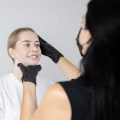
Aesthetic treatments in the UK have surged in popularity over the past decade, becoming a significant part of many individuals' beauty and wellness routines. These treatments encompass a wide range of procedures designed to enhance physical appearance, boost self-confidence, and address various skin concerns. From non-invasive options like Botox and dermal fillers to more involved procedures such as laser therapy and chemical peelschemical peels, the landscape of aesthetic treatments is diverse and continually evolving. The appeal of aesthetic treatments lies not only in their ability to provide immediate results but also in their accessibility. Many clinics across the UK offer tailored solutions to meet individual needs, making it easier than ever for people to explore their options.
As a result, understanding what these treatments entail is crucial for anyone considering them. Knowledge about the types of procedures available, their benefits, and potential risks can empower individuals to make informed decisions. Moreover, with the rise of social media and beauty influencers, there is an increasing awareness and acceptance of aesthetic enhancements. This cultural shift has led to a greater demand for these services, prompting clinics to refine their offerings and improve patient experiences. As you delve deeper into the world of aesthetic treatments in the UK, it becomes essential to grasp not only the variety of options available but also the process involved in booking an appointment.
This understanding will ensure that you embark on your aesthetic journey with confidence and clarity.
Researching Aesthetic Treatment Options
When considering aesthetic treatments in the UK, it’s essential to understand the variety of options available. These treatments can be broadly categorized into non-surgical and surgical procedures, each offering unique benefits and results.Non-Surgical Aesthetic Treatments
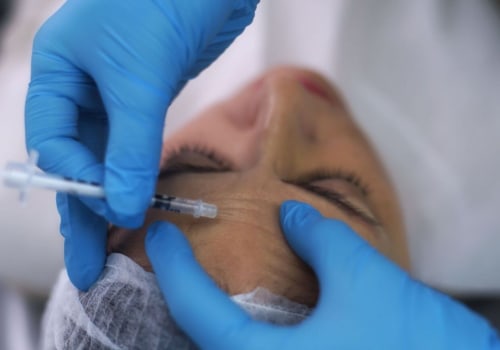
- Botulinum Toxin Injections: Commonly known as Botox, these injections temporarily reduce the appearance of fine lines and wrinkles by relaxing facial muscles.
- Dermal Fillers: These are used to restore volume and fullness to the face, enhancing features such as lips and cheeks.
- Chemical Peels: This treatment involves applying a chemical solution to exfoliate the skin, improving texture and tone.
- Laser Hair Removal: A popular choice for long-term hair reduction, this treatment uses concentrated light to target hair follicles.
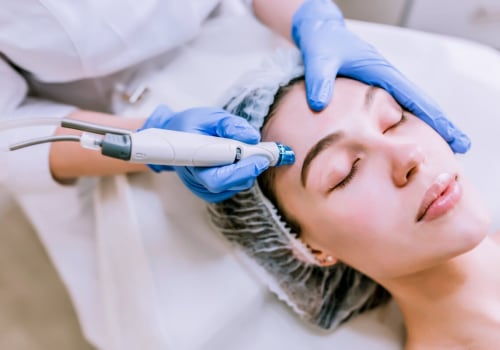
- Microdermabrasion: A non-invasive procedure that exfoliates the skin, helping to improve its appearance and reduce signs of aging.
Surgical Aesthetic Treatments
- Rhinoplasty: Often referred to as a nose job, this surgery reshapes the nose for aesthetic or functional purposes.
- Facelift: This procedure tightens sagging skin on the face and neck, providing a more youthful appearance.
- Breast Augmentation: Involves the use of implants to enhance breast size and shape.
- Liposuction: A surgical method for removing excess fat from specific areas of the body, helping to contour and shape.
By understanding the landscape of aesthetic treatments in the UK, you can make informed decisions that align with your aesthetic aspirations.
Finding a Qualified Practitioner
When considering aesthetic treatments in the UK, finding a qualified practitioner is paramount to ensure both safety and satisfaction. Here are some essential steps to guide you in your search:- Check Qualifications: Look for practitioners who are registered with recognised professional bodies such as the General Medical Council (GMC)General Medical Council (GMC) or the Nursing and Midwifery Council (NMC). These credentials indicate that the practitioner has undergone rigorous training and adheres to industry standards.
- Read Reviews: Online reviews can provide valuable insights into the experiences of previous clients. Websites like Trustpilot or Google Reviews can help you gauge the reputation of a clinic.
Pay attention to comments regarding the practitioner's skill, professionalism, and the overall atmosphere of the clinic.
- Consultation: Schedule a consultation before committing to any treatment. This meeting allows you to assess the practitioner's communication style, ask questions about their experience, and discuss your specific needs. A good practitioner will take the time to understand your concerns and explain the procedures thoroughly.
- Ask About Aftercare: Inquire about the aftercare services provided post-treatment. A qualified practitioner should offer guidance on recovery and be available for follow-up appointments if necessary.
- Look for Recommendations: Personal recommendations from friends or family can be invaluable.
If someone you trust has had a positive experience with a particular practitioner, it can ease your decision-making process.
Booking Your Appointment: Step-by-Step Guide
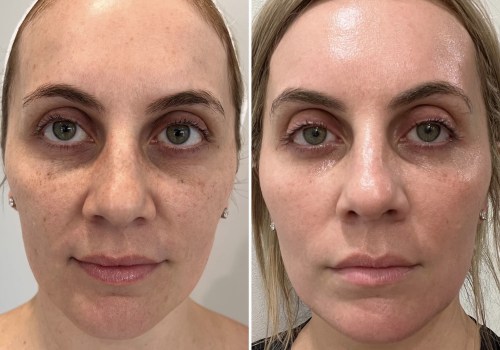
Booking an appointment for aesthetic treatments in the UK can seem daunting, but following a clear step-by-step process can make it straightforward and stress-free. Here’s how to navigate the booking process effectively:- Research Your Options: Start by researching clinics or practitioners that offer the specific aesthetic treatments you are interested in. Look for reviews, qualifications, and before-and-after photos to ensure you choose a reputable provider.
- Check Availability: Once you have shortlisted a few clinics, check their availability.
Most clinics will have an online booking system or a contact number where you can inquire about appointment slots.
- Initial Consultation: Many clinics require an initial consultation before booking your treatment. This is an opportunity to discuss your goals, ask questions, and understand the treatment process. During this consultation, the practitioner will assess your suitability for the treatment.
- Confirm Your Treatment Plan: After your consultation, if you decide to proceed, confirm your treatment plan with the practitioner. This includes discussing the type of treatment, expected results, and any potential risks.
- Book Your Appointment: Once you are satisfied with the treatment plan, you can book your appointment.
This can often be done online or over the phone. Be sure to ask about any pre-treatment instructions you may need to follow.
- Payment Details: Clarify payment options during the booking process. Some clinics may require a deposit to secure your appointment, while others may offer payment plans for more expensive treatments.
- Prepare for Your Appointment: As your appointment date approaches, ensure you follow any pre-treatment guidelines provided by your practitioner. This may include avoiding certain medications or skincare products.
What to Expect During Your Consultation
When you arrive for your aesthetic treatment consultation in the UK, you can expect a warm welcome and a professional environment designed to make you feel comfortable.The consultation is a crucial step in your aesthetic journey, as it sets the foundation for your treatment plan.
Initial Discussion
- Your practitioner will begin by asking about your medical history, including any previous treatments or surgeries, allergies, and current medications. This information is vital to ensure your safety during any aesthetic procedures.
- Next, you will discuss your goals and expectations. Be open about what you hope to achieve, whether it’s enhancing facial features, reducing signs of aging, or improving skin texture.
Assessment and Recommendations
- The practitioner will assess your skin type and condition, taking into account factors such as elasticity, tone, and any specific concerns you may have.
- Based on this assessment, they will recommend suitable aesthetic treatments tailored to your needs. This may include options like dermal fillers, Botox, chemical peels, or laser treatments.
Discussion of Risks and Aftercare
- It’s essential to understand the potential risks associated with each treatment.
Your practitioner will explain these in detail, ensuring you are fully informed before making a decision.
- You will also receive guidance on aftercare procedures to optimise results and minimise complications.
Final Thoughts
At the end of the consultation, you should feel empowered with knowledge about your options. Don’t hesitate to ask questions or express any concerns; a good practitioner will encourage an open dialogue. Remember, this consultation is not just about the treatment itself but also about building a trusting relationship with your aesthetic provider.
Preparing for Your Aesthetic Treatment Appointment
Preparing for your aesthetic treatment appointment is crucial to ensure a smooth experience and optimal results. Here are some essential pre-treatment guidelines to follow:- Research Your Treatment: Before your appointment, take the time to understand the specific aesthetic treatment you are considering.
Familiarise yourself with the procedure, expected outcomes, and any potential side effects.Familiarise yourself with the procedure, expected outcomes, and any potential side effects.
- Consultation: Schedule a consultation with your practitioner. This is an opportunity to discuss your goals, medical history, and any concerns you may have. Be open and honest about your expectations.
- Avoid Certain Medications: In the days leading up to your appointment, it’s advisable to avoid blood-thinning medications such as aspirin, ibuprofen, and certain supplements like fish oil or vitamin E. These can increase the risk of bruising.
- Stay Hydrated: Drink plenty of water in the days before your treatment.
Staying hydrated can help your skin look its best and may aid in recovery.
- Avoid Alcohol: Refrain from consuming alcohol for at least 24 hours prior to your appointment. Alcohol can dehydrate your skin and may interfere with the treatment process.
- Skin Care Regimen: Follow any specific skin care instructions provided by your practitioner. This may include avoiding certain products or treatments that could irritate your skin before the procedure.
- Plan for Recovery: Depending on the type of treatment, you may need to arrange for someone to accompany you home or assist you post-treatment. Consider taking a day off work if necessary to allow for recovery time.
Remember, preparation is key to achieving the best results!
Aftercare Following Aesthetic Treatments
After undergoing aesthetic treatments in the UK, proper aftercare is essential to ensure optimal results and minimise any potential side effects. Each treatment may have specific aftercare instructions, but there are general guidelines that can help you recover effectively.General Aftercare Tips
- Follow Your Practitioner’s Advice: Always adhere to the specific aftercare instructions provided by your practitioner, as they are tailored to your individual treatment.
- Avoid Touching the Treated Area: Refrain from touching, rubbing, or applying pressure to the treated area for at least 24 hours to prevent irritation or infection.
- Keep the Area Clean: Gently cleanse the area with a mild cleanser and avoid harsh products that could irritate the skin.
- Moisturise: Use a suitable moisturiser to keep the skin hydrated, which can aid in the healing process.
- Avoid Sun Exposure: Protect your skin from direct sunlight and avoid tanning beds for at least two weeks post-treatment. Use a broad-spectrum sunscreen with an SPF of 30 or higher.
Specific Aftercare for Common Treatments
- Botox: Avoid strenuous exercise and alcohol for 24 hours. You may experience slight swelling or bruising, which should subside within a few days.
- Dermal Fillers: Similar to Botox, avoid touching the area and refrain from facial massages for at least two weeks.
Ice packs can help reduce swelling.
- Chemical Peels: Expect some peeling; keep the skin moisturised and avoid picking at any flaking skin. Stay away from exfoliating products until fully healed.
Frequently Asked Questions About Aesthetic Treatments in the UK
When considering aesthetic treatments in the UK, potential clients often have numerous questions regarding the booking process and what to expect.Here are some of the most frequently asked questions:
- How do I book an appointment for an aesthetic treatment? Most clinics offer multiple ways to book an appointment. You can typically schedule your visit through their website, by phone, or even via email. Online booking systems are often user-friendly and allow you to select your preferred treatment and time slot.
- Is there a consultation before the treatment? Yes, most reputable clinics will require a consultation prior to any treatment. This is an opportunity for you to discuss your goals, ask questions, and ensure that the treatment is suitable for you.
During this consultation, the practitioner will assess your medical history and skin type.
- What should I expect during my first visit? Your first visit will usually involve a thorough assessment and discussion about your desired outcomes. The practitioner may also explain the procedure in detail, including any potential risks and aftercare requirements.
- Are there any pre-treatment instructions I should follow? Yes, clinics often provide specific pre-treatment guidelines. These may include avoiding certain medications, alcohol, or sun exposure prior to your appointment to ensure optimal results.
- How long does the treatment take? The duration of aesthetic treatments can vary significantly depending on the type of procedure. For example, injectables may take only 30 minutes, while more extensive treatments could last several hours.
Always remember to choose a qualified practitioner and a reputable clinic to ensure safety and satisfaction with your results.
Conclusion: Your Journey to Aesthetic Treatments in the UK
In conclusion, navigating the process of booking an appointment for aesthetic treatments in the UK can be straightforward if you are well-informed. Understanding the steps involved not only enhances your experience but also ensures that you receive the best possible care tailored to your needs.To recap, the journey typically begins with thorough research. Identifying reputable clinics and practitioners is crucial, as this sets the foundation for a safe and effective treatment. Look for clinics with positive reviews, qualified professionals, and a clear understanding of the treatments offered.Once you have shortlisted potential providers, the next step is to reach out for consultations.This is an essential part of the process where you can discuss your goals, ask questions, and gauge the clinic's approach to patient care. During these consultations, pay attention to how comfortable you feel with the practitioner and whether they take the time to address your concerns.After selecting a clinic, booking your appointment is usually just a phone call or an online form away. Ensure that you confirm all details, including treatment specifics, costs, and any pre-treatment requirements. It’s also wise to inquire about cancellation policies and follow-up care.Finally, remember that aftercare is just as important as the treatment itself.
Understanding what to expect post-treatment will help you manage your recovery effectively and achieve optimal results.By following these steps and being proactive in your approach, you can embark on your journey towards aesthetic treatments in the UK with confidence and clarity.