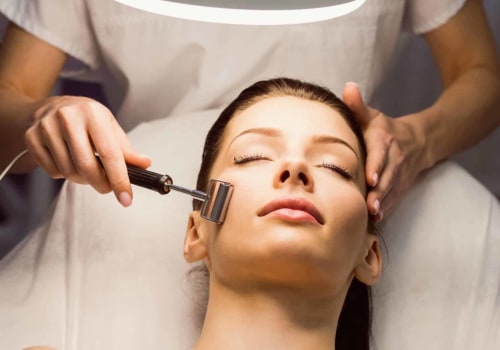
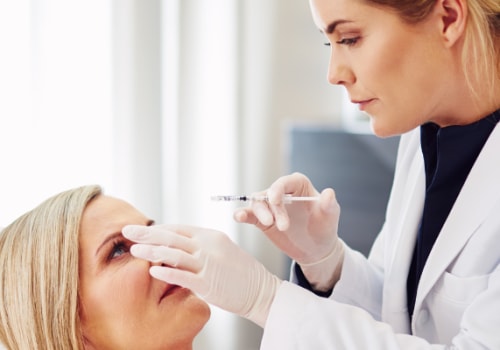
In recent years, the landscape of beauty and wellness has evolved significantly, with aesthetic treatments in the UK gaining immense popularity. These treatments cater to a diverse range of needs, from enhancing natural beauty to addressing specific skin concerns. Among the various options available, non-invasive treatmentsnon-invasive treatments have emerged as a preferred choice for many individuals seeking to rejuvenate their appearance without the need for surgical procedures. The appeal of non-invasive aesthetic treatments lies in their ability to deliver noticeable results with minimal downtime. Procedures such as dermal fillers, chemical peels, and laser therapies offer effective solutions for issues like fine lines, uneven skin tone, and loss of volume. have emerged as a preferred choice for many individuals seeking to rejuvenate their appearance without the need for surgical procedures. The appeal of non-invasive aesthetic treatments lies in their ability to deliver noticeable results with minimal downtime. Procedures such as dermal fillers, chemical peels, and laser therapies offer effective solutions for issues like fine lines, uneven skin tone, and loss of volume.
As more people become aware of these options, the demand for beauty treatments in the UK continues to rise, making it essential for potential clients to understand what is available and how these treatments can benefit them. With a focus on safety and efficacy, many clinics across the UK are now offering a variety of non-invasive options tailored to individual needs. This growing trend reflects a broader societal shift towards self-care and wellness, where individuals are increasingly prioritising their appearance and overall well-being. As we delve deeper into the world of aesthetic treatments, it becomes clear that non-invasive procedures not only enhance physical appearance but also contribute positively to self-esteem and confidence.
What Are Non-Invasive Aesthetic Treatments?
Non-invasive aesthetic treatments have gained immense popularity in the UK, offering individuals a chance to enhance their appearance without the need for surgical procedures. These treatments are designed to improve various aspects of beauty, from skin texture to body contouring, while minimising downtime and risks associated with traditional surgery.Definition of Non-Invasive Treatments
Non-invasive aesthetic treatments refer to procedures that do not require incisions or significant alterations to the body.
Instead, they utilise advanced technologies and techniques to achieve desired results, making them a safer and more accessible option for many. Patients can often return to their daily activities immediately after treatment, which is a significant advantage over invasive options.
Types of Aesthetic Treatments
- Injectables: This category includes dermal fillers and Botox, which are used to reduce wrinkles and add volume to areas such as the cheeks and lips.
- Laser Treatments: Laser therapy can address various skin concerns, including pigmentation issues, acne scars, and hair removal.
- Chemical Peels: These treatments involve applying a chemical solution to exfoliate the skin, improving its texture and tone.
- Microdermabrasion: A non-invasive procedure that gently exfoliates the skin's surface, promoting cell turnover and revealing a brighter complexion.
- Radiofrequency Therapy: This technique uses radio waves to stimulate collagen production, tightening the skin and reducing sagging.
Popular Non-Invasive Aesthetic Treatments in the UK
In the UK, the demand for aesthetic treatments has surged, with many individuals seeking non-invasive options to enhance their appearance without the need for surgery.Here are some of the most popular non-invasive aesthetic treatments available:
- Botox : This treatment involves the injection of botulinum toxin to temporarily paralyse muscles, reducing the appearance of fine lines and wrinkles. Commonly used on the forehead, around the eyes, and between the brows, Botox is celebrated for its quick results and minimal downtime.
- Dermal Fillers : These injectable treatments are used to restore volume and fullness to areas such as the cheeks, lips, and nasolabial folds. Composed of hyaluronic acid or other substances, dermal fillers can enhance facial contours and provide a youthful appearance.
- Chemical Peels : A chemical peel involves applying a solution to exfoliate the skin's surface, improving texture and tone. This treatment can address issues like acne scars, sun damage, and uneven pigmentation, making it a popular choice for those seeking a refreshed complexion.
- Laser Treatments : Various laser technologies are employed to treat skin concerns such as pigmentation, vascular lesions, and hair removal.
Laser treatments work by targeting specific skin layers, promoting collagen production and enhancing overall skin quality.
- Microdermabrasion : This non-invasive procedure exfoliates the outer layer of dead skin cells using fine crystals or a diamond-tipped wand. It helps improve skin texture and can reduce the appearance of scars and fine lines.
Benefits of Non-Invasive Aesthetic Treatments
Non-invasive aesthetic treatments have gained immense popularity in the UK, and for good reason. These procedures offer a range of benefits that make them an attractive alternative to traditional surgical options.Quick Recovery Time
One of the most significant advantages of non-invasive treatments is the minimal recovery time.
Unlike surgical procedures that may require weeks of downtime, many non-invasive options allow patients to return to their daily activities almost immediately. This is particularly appealing for those with busy lifestyles who cannot afford extended absences from work or social engagements.
Cost-Effectiveness
In addition to saving time, non-invasive aesthetic treatments are often more cost-effective than their surgical counterparts. The overall expenses associated with surgery—such as hospital fees, anaesthesia, and post-operative care—can add up quickly. Non-invasive procedures typically involve lower costs, making them accessible to a broader audience.
Safety and Reduced Risks
Safety is a paramount concern for anyone considering aesthetic enhancements.
Non-invasive treatments generally carry fewer risks compared to surgical options. The likelihood of complications such as infections or adverse reactions is significantly reduced, providing peace of mind for patients.
Natural-Looking Results
Many individuals opt for non-invasive treatments because they offer subtle, natural-looking results. These procedures can enhance one’s appearance without the dramatic changes often associated with surgery. This allows patients to achieve their desired look while maintaining their unique features.
Customisation and Variety
The variety of non-invasive aesthetic treatments available in the UK means that individuals can choose options tailored to their specific needs.
From dermal fillers to laser treatments, there is a solution for almost every concern, allowing for a personalised approach to beauty.In summary, the benefits of non-invasive aesthetic treatments are numerous and compelling. With quick recovery times, cost-effectiveness, enhanced safety, natural results, and a wide range of options, it’s no wonder that more people are choosing these procedures as a way to enhance their appearance without the need for surgery.
What to Expect During a Non-Invasive Treatment Session
When considering aesthetic treatments in the UK, understanding what to expect during a non-invasive treatment session can significantly enhance your experience. Here’s a breakdown of the typical process you can anticipate.Initial Consultation
Your journey begins with an initial consultation, where a qualified practitioner will assess your needs and discuss your aesthetic goals. This is an essential step, as it allows you to:- Discuss your medical history and any concerns.
- Receive tailored advice on suitable treatments.
- Understand the expected outcomes and any potential risks.
Treatment Duration
The duration of the treatment session can vary depending on the specific procedure.Generally, non-invasive treatments are designed to be quick and efficient:
- Facial fillers: Typically last between 30 to 60 minutes.
- Laser treatments: Usually take around 20 to 90 minutes, depending on the area being treated.
- Microdermabrasion: Often completed in about 30 minutes.
During the Procedure
Most non-invasive procedures are relatively comfortable. Practitioners may apply a topical anaesthetic to minimise any discomfort. You might feel a slight tingling or warmth during the treatment, but it should not be painful. The practitioner will guide you through each step, ensuring you feel at ease throughout the process.Aftercare Instructions
Post-treatment care is crucial for optimal results.After your session, you will receive specific aftercare instructions, which may include:
- Avoiding strenuous exercise for 24 hours.
- Steering clear of direct sunlight and using sunscreen diligently.
- Refraining from touching or applying makeup to the treated area for a specified time.
Potential Risks and Considerations
While non-invasive aesthetic treatments are generally considered safe, it is essential to be aware of the potential risks and side effects associated with these procedures. Understanding these factors can help individuals make informed decisions about their aesthetic goals.Common Side Effects
- Redness and Swelling: Many treatments, such as dermal fillers and chemical peels, can cause temporary redness and swelling at the treatment site. This usually subsides within a few hours to a few days.
- Bruising: Some procedures may lead to bruising, particularly those that involve injections.
This is often minor and resolves on its own.
- Itching or Sensitivity: Patients may experience mild itching or sensitivity in the treated area, which typically resolves quickly.
Less Common Risks
- Infection: Although rare, there is a risk of infection following any procedure that breaks the skin. Proper aftercare is crucial to minimise this risk.
- Allergic Reactions: Some individuals may have allergic reactions to the substances used in treatments, such as fillers or topical agents. A patch test can help identify potential allergies.
- Asymmetry or Unsatisfactory Results: In some cases, results may not meet expectations, leading to dissatisfaction. It’s important to choose a qualified practitioner who can provide realistic outcomes.
Safety Considerations
Before undergoing any non-invasive aesthetic treatment, consider the following safety measures:
- Consultation: Always have a thorough consultation with a qualified practitioner who can assess your suitability for the treatment and discuss potential risks.
- Research: Investigate the specific treatment you are considering, including its risks and benefits.
Look for reviews and testimonials from previous patients.
- Aftercare: Follow all aftercare instructions provided by your practitioner to ensure optimal healing and results.
Choosing the Right Practitioner for Aesthetic Treatments
Choosing the right practitioner for your aesthetic treatments in the UK is crucial to ensure safety, effectiveness, and satisfaction with the results. Here are some key factors to consider when selecting a qualified professional.Check Qualifications and Experience
Start by verifying the practitioner’s qualifications. Look for professionals who are:- Registered with a recognised medical body, such as the General Medical Council (GMC) for doctors or the Nursing and Midwifery Council (NMC) for nurses.
- Trained in aesthetic procedures, ideally having completed accredited courses specific to the treatments they offer.
- Experienced in performing the specific procedure you are interested in, as experience can significantly impact outcomes.
Ask the Right Questions
During your consultation, don’t hesitate to ask questions that will help you gauge the practitioner’s expertise and approach:- What is your experience with this treatment? Inquire about how many times they have performed the procedure and their success rate.
- Can you provide before-and-after photos? This will give you an idea of their work and what results you can realistically expect.
- What are the potential risks and side effects? A qualified practitioner should be transparent about possible complications.
- What aftercare do you provide? Understanding post-treatment care is essential for optimal recovery and results.
Consider Reviews and Recommendations
Research online reviews and testimonials from previous clients. Websites, social media platforms, and forums can provide insights into other patients' experiences.Additionally, personal recommendations from friends or family can be invaluable in finding a trusted practitioner.Ultimately, taking the time to choose a qualified practitioner for your aesthetic treatments in the UK can lead to a more satisfying experience and better results. Prioritise safety, qualifications, and communication to ensure you make an informed decision.
Frequently Asked Questions About Non-Invasive Aesthetic Treatments
When considering aesthetic treatments in the UK, many individuals have questions and concerns. Here are some of the most frequently asked questions regarding non-invasive procedures:What are non-invasive aesthetic treatments?
Non-invasive aesthetic treatments are procedures that enhance appearance without the need for surgery. These include options like Botox, dermal fillers, and chemical peels.They typically involve minimal downtime and are designed to improve skin texture, reduce wrinkles, and restore volume.
Are non-invasive treatments safe?
Yes, when performed by qualified professionals, non-invasive aesthetic treatments are generally considered safe. However, it is crucial to choose a reputable clinic and practitioner to minimise risks and ensure optimal results.How long do the results last?
The longevity of results varies depending on the treatment. For instance, Botox effects usually last between three to six months, while dermal fillers can last from six months to two years. Regular maintenance treatments can help prolong the desired effects.Are there any side effects?
While side effects are typically mild, they can include swelling, bruising, or redness at the injection site.These effects usually resolve within a few days. It’s important to discuss potential side effects with your practitioner beforehand.
What are some common myths about aesthetic treatments?
- Myth: Non-invasive treatments are only for women.
- Fact: Aesthetic treatments are increasingly popular among men seeking to enhance their appearance.
- Myth: Results look unnatural.
- Fact: When done correctly, non-invasive procedures can provide subtle enhancements that look natural.
- Myth: All aesthetic treatments require downtime.
- Fact: Many non-invasive options allow individuals to return to their daily activities immediately.
Conclusion: The Future of Non-Invasive Aesthetic Treatments in the UK
As we look towards the future of non-invasive aesthetic treatments in the UK, it is clear that the landscape is evolving rapidly. The increasing demand for these procedures reflects a broader societal shift towards self-care and personal enhancement, where individuals seek to improve their appearance without the need for extensive surgery.One of the most significant trends is the rise of personalisation. Patients are increasingly looking for treatments tailored to their specific needs and goals.This has led to a surge in bespoke treatment plans that combine various non-invasive options, such as dermal fillers, chemical peels, and laser therapies. Clinics are investing in advanced technologies that allow for more precise and effective results, ensuring that each treatment is as unique as the individual receiving it.Moreover, the integration of technology into aesthetic practices is set to revolutionise the industry. Innovations such as artificial intelligence and virtual reality are being explored to enhance patient consultations and treatment outcomes. For instance, AI can assist practitioners in assessing skin conditions more accurately, while virtual reality can help patients visualise potential results before undergoing any procedures.Another key aspect of the future is the emphasis on safety and regulation.
As the popularity of non-invasive treatments grows, so does the need for stringent guidelines to ensure patient safety. Regulatory bodies are likely to implement more comprehensive standards, which will help maintain high-quality care across clinics in the UK.In conclusion, the future of non-invasive aesthetic treatments in the UK looks promising. With advancements in technology, a focus on personalised care, and an increasing commitment to safety, patients can expect even more effective and satisfying results from their aesthetic journeys.