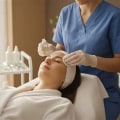
Aesthetic treatments in the UK have surged in popularity over recent years, becoming a significant aspect of personal care and self-expression. From non-surgical procedures like dermal fillers and Botox to more invasive options such as liposuction and facelifts, the range of available treatments is vast. This growing interest reflects a societal shift towards enhancing one’s appearance, driven by factors such as social media influence and increased accessibility to these services. However, with this rise in demand comes the critical need for Aesthetic treatments in the UK have surged in popularity over recent years, becoming a significant aspect of personal care and self-expression. From non-surgical procedures like dermal fillers and Botox to more invasive options such as liposuction and facelifts, the range of available treatments is vast. This growing interest reflects a societal shift towards enhancing one’s appearance, driven by factors such as social media influence and increased accessibility to these services. However, with this rise in demand comes the critical need for qualified practitioners who can ensure safety and efficacy in aesthetic procedures. The landscape of aesthetic treatments is not regulated as stringently as other medical fields, which raises concerns about who is performing these procedures.
It is essential for potential clients to understand the qualifications and training required for practitioners in the UK to safeguard their health and achieve desired results. In the following sections, we will delve deeper into the specific qualifications that aesthetic practitioners should possess, as well as the regulatory frameworks that govern aesthetic procedures in the UK. Understanding these aspects is vital for anyone considering aesthetic treatments, ensuring that they make informed choices about their care.
Overview of Aesthetic Treatments Available in the UK
Aesthetic treatments in the UK encompass a wide range of procedures designed to enhance appearance and boost confidence. These treatments can be broadly categorized into non-surgical and surgical options, each offering unique benefits and considerations.Non-Surgical Treatments
Among the most popular non-surgical aesthetic treatments in the UK are:- Botox: This injectable treatment temporarily relaxes facial muscles, reducing the appearance of fine lines and wrinkles.
- Dermal Fillers: Used to restore volume and fullness to the face, fillers can enhance lips, cheeks, and other areas.
- Chemical Peels: These treatments exfoliate the skin, improving texture and tone by removing dead skin cells.
- Laser Hair Removal: A long-term solution for unwanted hair, this treatment uses laser technology to target hair follicles.
- Microdermabrasion: A non-invasive procedure that exfoliates the skin, promoting a smoother and more radiant complexion.
Surgical Treatments
Surgical aesthetic procedures are more invasive but can provide significant results. Common surgical options include:- Rhinoplasty: Often referred to as a nose job, this surgery reshapes the nose for aesthetic or functional purposes.
- Facelift: This procedure tightens sagging skin on the face and neck, creating a more youthful appearance.
- Breast Augmentation: Involves the use of implants to enhance breast size and shape.
- Liposuction: A body contouring procedure that removes excess fat deposits from specific areas.
It not only helps in making informed decisions but also plays a crucial role in evaluating the qualifications of practitioners who perform these treatments. Ensuring that you choose a qualified professional is vital for achieving safe and satisfactory results.
Regulatory Framework for Aesthetic Practitioners in the UK
The landscape of aesthetic treatments in the UK is governed by a robust regulatory framework designed to ensure the safety and efficacy of procedures performed by practitioners. Key regulatory bodies play a crucial role in overseeing the qualifications and practices of those involved in aesthetic medicine.One of the primary organizations is the Care Quality Commission (CQC)Care Quality Commission (CQC), which regulates health and social care services in England. The CQC ensures that aesthetic clinics meet essential standards of quality and safety.Clinics offering aesthetic treatments must be registered with the CQC, which conducts regular inspections to verify compliance with legal requirements.Another significant body is the General Medical Council (GMC), which oversees medical practitioners in the UK. The GMC sets the standards for medical education and practice, ensuring that doctors performing aesthetic procedures are adequately trained and qualified. This includes maintaining a current license to practice and adhering to ethical guidelines.In addition to these bodies, various professional associations, such as the British Association of Aesthetic Plastic Surgeons (BAAPS) and the British College of Aesthetic Medicine (BCAM), provide further guidance and support for practitioners. These organizations often require members to undergo continuous professional development (CPD) to stay updated on best practices and emerging techniques in aesthetic treatments.Legal requirements for practitioners also encompass obtaining appropriate insurance coverage, which protects both the practitioner and the patient in case of complications or adverse events.
Furthermore, practitioners must ensure informed consent is obtained from patients prior to any treatment, clearly outlining potential risks and benefits.In summary, the regulatory framework for aesthetic treatments in the UK is multifaceted, involving several governing bodies that enforce strict standards for practitioner qualifications. This framework not only safeguards patient welfare but also enhances the credibility of aesthetic practices across the country.
Essential Qualifications for Aesthetic Practitioners
When considering aesthetic treatments in the UK, it is crucial to understand the qualifications required for practitioners in this field. The safety and efficacy of these treatments largely depend on the expertise of the individual administering them. Practitioners typically fall into two main categories: medical professionals and non-medical professionals. Each category has distinct training requirements.Medical Professionals
Most aesthetic practitioners are qualified medical professionals, such as:- Doctors (including General Practitioners and Surgeons)
- Dentists
- Nurses with advanced training in aesthetic procedures
Specialised Training Courses
In addition to their primary qualifications, practitioners must complete specialised training courses focused on aesthetic medicine.These courses cover a range of topics, including:
- Facial anatomy
- Injection techniques for dermal fillers and botulinum toxin
- Patient assessment and consultation skills
- The British College of Aesthetic Medicine (BCAM)
- The Royal College of Surgeons (RCS)
Certification and Continuous Professional Development
Upon completing their training, practitioners should obtain relevant certifications that demonstrate their competence in performing aesthetic treatments. Furthermore, ongoing professional development is vital in this rapidly evolving field. Practitioners are encouraged to attend workshops, conferences, and refresher courses to stay updated on the latest techniques and safety protocols. In summary, the qualifications for practitioners performing aesthetic treatments in the UK encompass a combination of formal medical education, specialised training, and continuous professional development.This rigorous training ensures that patients receive safe and effective care.
Professional Bodies and Accreditation for Aesthetic Practitioners
In the UK, the landscape of aesthetic treatments is regulated by various professional bodies that ensure practitioners meet high standards of care and expertise. These organizations play a crucial role in maintaining the integrity of the aesthetic industry and protecting patients.One of the most prominent bodies is the British Association of Aesthetic Plastic Surgeons (BAAPS). This organization represents qualified plastic surgeons who have undergone rigorous training and are committed to ethical practices in aesthetic medicine. Membership in BAAPS is a mark of excellence, as it requires members to adhere to strict guidelines and continuous professional development.Another key organization is the British College of Aesthetic Medicine (BCAM) , which focuses on promoting high standards in aesthetic practice.BCAM provides accreditation for practitioners who demonstrate a commitment to ongoing education and best practices in aesthetic treatments. Their members are often seen as leaders in the field, enhancing their credibility among patients.Additionally, the General Medical Council (GMC) oversees medical practitioners in the UK, ensuring that doctors providing aesthetic treatments are fully qualified and registered. This regulatory body is essential for maintaining public trust in aesthetic procedures.Furthermore, there are various other membership organizations such as the Royal College of Surgeons (RCS) and the British Association of Cosmetic Nurses (BACN) , which also contribute to setting standards and providing accreditation for practitioners in aesthetic medicine.Being affiliated with these professional bodies not only enhances a practitioner's credibility but also assures patients that they are receiving care from qualified professionals who adhere to established safety protocols and ethical standards. When seeking aesthetic treatments in the UK, it is advisable for patients to inquire about their practitioner’s memberships and accreditations to ensure they are in safe hands.
Continuing Professional Development (CPD) in Aesthetics
In the rapidly evolving field of aesthetic treatments in the UK, Continuing Professional Development (CPD) is essential for practitioners to maintain their competence and stay abreast of the latest advancements.CPD encompasses a range of learning activities that help professionals enhance their skills and knowledge, ensuring they provide safe and effective treatments.Practitioners are encouraged to engage in various forms of ongoing training, which may include:
- Workshops and Seminars: These events often focus on new techniques, technologies, and regulatory changes within the aesthetic industry.
- Online Courses: Many accredited platforms offer flexible learning options that allow practitioners to update their skills at their own pace.
- Peer Review and Networking: Engaging with fellow professionals can provide insights into best practices and emerging trends.
- Conferences: Attending industry conferences not only offers educational opportunities but also allows practitioners to connect with leading experts in aesthetics.
By prioritising professional development, aesthetic practitioners can ensure they deliver the best possible outcomes for their clients while maintaining their professional integrity.
Risks of Unqualified Practitioners in Aesthetic Treatments
When considering aesthetic treatments in the UK, it is crucial to understand the potential risks associated with receiving procedures from unqualified practitioners. The allure of quick results and lower prices can often lead individuals to overlook the importance of practitioner qualifications, which can have serious implications for patient safety.Risks of Non-Licensed Treatments
- Infection and Complications: Unqualified practitioners may lack the necessary training in hygiene and infection control, increasing the risk of complications such as infections, scarring, or even more severe health issues.
- Substandard Products: Non-licensed providers may use inferior or counterfeit products that can lead to unsatisfactory results or adverse reactions.
- Lack of Emergency Response: Qualified practitioners are trained to handle emergencies that may arise during or after a treatment. Unqualified individuals may not have the skills or knowledge to manage such situations effectively.
Identifying Qualified Professionals
To ensure your safety when seeking aesthetic treatments in the UK, consider the following:
- Check Qualifications: Always verify that your practitioner has relevant qualifications and is registered with a recognised professional body.
- Read Reviews: Look for testimonials and reviews from previous patients to gauge the practitioner's reputation and quality of service.
- Consultation: Schedule a consultation to discuss your concerns and ask questions about their experience and the procedures they offer.
How to Choose a Qualified Aesthetic Practitioner in the UK
Choosing a qualified aesthetic practitioner in the UK is crucial for ensuring safe and effective treatments.Here are some practical tips to help you make an informed decision:
- Check Qualifications: Look for practitioners who are registered with a recognised professional body, such as the General Medical Council (GMC) for doctors or the Nursing and Midwifery Council (NMC) for nurses. Additionally, consider those who have completed specific training in aesthetic procedures.
- Experience Matters: Inquire about the practitioner's experience in performing the specific treatment you are considering. A practitioner with a solid track record will be more likely to deliver satisfactory results.
- Read Reviews: Look for patient testimonials and reviews online. Websites like Trustpilot or social media platforms can provide insights into other patients' experiences.
- Ask About Insurance: Ensure that the practitioner has appropriate insurance coverage.
This is essential for your protection in case of any complications.
- What qualifications do you have?
- How many times have you performed this treatment?
- Can you show me before and after photos of previous patients?
- What are the potential risks and side effects?
- What aftercare do you provide?
FAQs About Aesthetic Treatment Qualifications in the UK
When considering aesthetic treatments in the UK, many potential patients have questions regarding the qualifications of practitioners. Here are some of the most frequently asked questions:What qualifications should I look for in an aesthetic practitioner?
It is essential to ensure that your practitioner has the appropriate qualifications. Look for:- Medical Background: Practitioners should ideally be registered medical professionals, such as doctors, nurses, or dentists.
- Specialised Training: They should have completed specific training in aesthetic procedures, often accredited by recognised bodies.
- Membership in Professional Organisations: Membership in organisations like the British Association of Aesthetic Plastic Surgeons (BAAPS) or the British College of Aesthetic Medicine (BCAM) can indicate a commitment to high standards.
Are there regulations governing aesthetic practitioners in the UK?
Yes, while there is no specific regulatory body for all aesthetic practitioners, many are governed by their respective professional bodies.Additionally, practitioners must adhere to general healthcare regulations set by the Care Quality Commission (CQC), which ensures that services meet essential standards of quality and safety.
How can I verify a practitioner's qualifications?
You can verify a practitioner's qualifications by:- Checking their registration with relevant professional bodies.
- Asking for proof of their training and certifications.
- Reading reviews and testimonials from previous patients.
Conclusion: The Importance of Qualified Practitioners in Aesthetic Treatments
In conclusion, the qualifications of practitioners performing aesthetic treatments in the UK are paramount to ensuring both safety and satisfaction for clients. Throughout this article, we have explored the various credentials and training that practitioners should possess to deliver effective and safe treatments. It is essential to understand that not all aesthetic practitioners are created equal. The landscape of aesthetic treatments is diverse, encompassing a range of procedures from injectables to laser therapies.Therefore, practitioners should ideally have:
- Relevant Medical Qualifications: Practitioners should hold a medical degree or a nursing qualification, ensuring they have a solid foundation in human anatomy and physiology.
- Specialised Training: Beyond basic qualifications, specialised training in aesthetic procedures is crucial. This includes hands-on experience and knowledge of the latest techniques and technologies.
- Regulatory Compliance: Practitioners must adhere to regulations set by governing bodies such as the Care Quality Commission (CQC) and should be registered with appropriate professional organisations.
- Continuous Professional Development: The field of aesthetics is constantly evolving. Practitioners should engage in ongoing education to stay updated with new treatments, safety protocols, and industry standards.