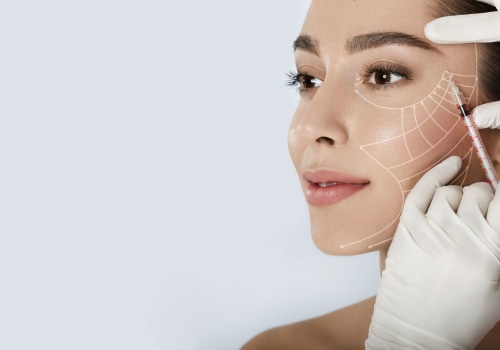
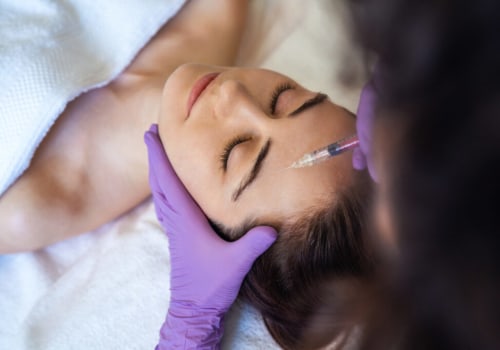
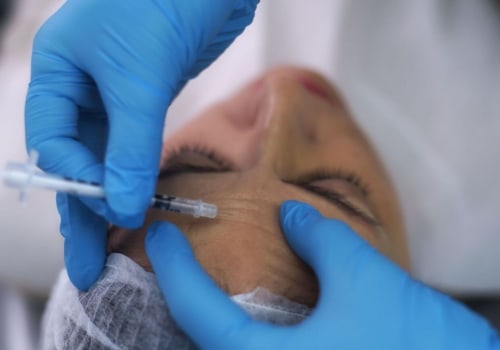
Aesthetic treatments in the UK have surged in popularity over recent years, transforming the landscape of beauty and self-care. These procedures, which range from non-invasive options like Botox and dermal fillersdermal fillers to more complex surgical interventions, aim to enhance an individual’s appearance and boost their confidence. As societal standards of beauty evolve, more people are seeking these treatments to achieve their desired look, making it essential to understand what aesthetic treatments entail. At their core, aesthetic treatments are designed to improve physical appearance through various techniques and technologies. They can be broadly categorised into non-surgical and surgical options.
Non-surgical treatments often include chemical peels, laser therapy, and microdermabrasion, while surgical options may involve facelifts or liposuction. Each type of treatment comes with its own set of benefits and risks, which is why it is crucial for potential patients to be well-informed before proceeding. As the demand for these services grows, so does the importance of ensuring that practitioners are qualified and experienced. With numerous clinics and professionals offering aesthetic treatments across the UK, understanding how to identify a qualified practitioner is vital for safety and satisfaction. This knowledge not only helps in making informed decisions but also ensures that individuals receive the highest standard of care tailored to their specific needs.
Regulatory Framework for Aesthetic Treatments in the UK
In the UK, the landscape of aesthetic treatments is governed by a robust regulatory framework designed to ensure safety and efficacy.Understanding this framework is crucial for anyone considering aesthetic procedures.The primary regulatory body overseeing aesthetic treatments is the Care Quality Commission (CQC)Care Quality Commission (CQC). The CQC is responsible for monitoring, inspecting, and regulating health and social care services in England. They ensure that practitioners meet essential standards of quality and safety. Facilities offering aesthetic treatments must be registered with the CQC, which involves rigorous assessments to confirm compliance with legal requirements.Another key player in the regulation of aesthetic treatments is the General Medical Council (GMC).
The GMC sets the standards for medical practitioners in the UK, including those who perform aesthetic procedures. Doctors must be registered with the GMC and adhere to its guidelines, which include maintaining professional competence and ensuring patient safety.In addition to these governing bodies, practitioners must also comply with various legal requirements:
- Qualifications: Practitioners should have relevant medical qualifications, such as being a registered doctor, nurse, or dentist.
- Training: Continuous professional development and specific training in aesthetic procedures are essential to ensure practitioners are up-to-date with the latest techniques and safety protocols.
- Insurance: Adequate professional indemnity insurance is necessary to protect both the practitioner and the patient in case of complications or dissatisfaction.
- Consent: Practitioners must obtain informed consent from patients before any treatment, ensuring that patients are fully aware of potential risks and outcomes.
Qualifications and Training for Aesthetic Practitioners
When seeking aesthetic treatments in the UK, it is crucial to ensure that the practitioner you choose possesses the appropriate qualifications and training. This not only guarantees a higher standard of care but also enhances your safety during procedures.Qualifications of Aesthetic Practitioners
- Medical Background: Most reputable aesthetic practitioners are qualified medical professionals, such as doctors, nurses, or dentists.
This medical foundation is essential for understanding human anatomy and managing potential complications.
- Specialised Training: Practitioners should have completed specialised training in aesthetic procedures. This often includes courses focused on injectables like Botox and dermal fillers, laser treatments, and skin rejuvenation techniques.
- Accredited Courses: Look for practitioners who have attended accredited courses recognised by professional bodies such as the British College of Aesthetic Medicine (BCAM) or the Nursing and Midwifery Council (NMC). These courses ensure that practitioners are up-to-date with the latest techniques and safety protocols.
Importance of Continuous Professional Development
Aesthetic medicine is a rapidly evolving field. Therefore, it is vital for practitioners to engage in continuous professional development (CPD).
This can include attending workshops, seminars, and further training sessions to stay informed about new technologies and methods.
Verification of Credentials
Before undergoing any treatment, verify the practitioner’s credentials. You can do this by:
- Checking their registration with relevant professional bodies.
- Asking for proof of their qualifications and training certificates.
- Reading reviews or testimonials from previous clients to gauge their experience and satisfaction.
How to Verify a Practitioner’s Credentials
When considering aesthetic treatments in the UK, it is crucial to ensure that the practitioner you choose is qualified and registered with the appropriate regulatory bodies. Here are some practical steps to verify a practitioner’s credentials:- Check Registration with Regulatory Bodies: In the UK, practitioners offering aesthetic treatments should be registered with relevant organisations such as the General Medical Council (GMC) for doctors, the Nursing and Midwifery Council (NMC) for nurses, or the General Dental Council (GDC) for dentists. You can visit their official websites to confirm a practitioner's registration status.
- Look for Qualifications: Verify that the practitioner has completed accredited training in aesthetic procedures.
This may include diplomas or certifications from recognised institutions. A qualified practitioner should be able to provide evidence of their training upon request.
- Read Reviews and Testimonials: Online reviews can provide insight into a practitioner’s reputation. Look for testimonials on independent review sites or social media platforms. Pay attention to feedback regarding safety, results, and overall patient satisfaction.
- Ask About Experience: Inquire how long the practitioner has been performing aesthetic treatments.
Experienced practitioners are more likely to have refined their skills and knowledge over time, which can lead to better outcomes.
- Consultation Process: A reputable practitioner will offer a thorough consultation before any treatment. During this meeting, they should discuss your medical history, treatment options, potential risks, and aftercare. This process is essential for ensuring that you feel comfortable and informed.
Common Red Flags to Watch Out For
When seeking aesthetic treatments in the UK, it is crucial to be vigilant about the qualifications of practitioners.Here are some common red flags that may indicate a practitioner is unqualified or that the treatments offered could be unsafe:
- Lack of Professional Qualifications: Always check if the practitioner has relevant qualifications and certifications. If they cannot provide proof of training in aesthetic procedures, consider this a significant warning sign.
- No Registration with Regulatory Bodies: In the UK, practitioners should be registered with appropriate regulatory bodies such as the General Medical Council (GMC) for doctors or the Nursing and Midwifery Council (NMC) for nurses. If they are not registered, it raises concerns about their legitimacy.
- Pressure Tactics: Be wary of practitioners who rush you into making decisions or push for immediate bookings. A reputable professional will allow you time to consider your options and will not pressure you into treatments.
- Poor Hygiene Standards: The treatment environment should be clean and well-maintained.
If you notice unsanitary conditions or a lack of proper hygiene practices, it’s best to walk away.
- Unrealistic Promises: If a practitioner guarantees miraculous results or claims that their treatments are completely risk-free, this is a major red flag. All aesthetic procedures carry some level of risk, and no reputable practitioner would make such claims.
- Lack of Aftercare Support: A qualified practitioner should provide clear aftercare instructions and be available for follow-up consultations. If they do not offer this support, it may indicate a lack of professionalism.
Patient Rights and Safety Considerations
When considering aesthetic treatments in the UK, it is crucial for patients to understand their rights and the safety measures that should be in place. Patients have the right to receive treatments that are not only effective but also safe and performed by qualified practitioners.Patient Rights
- Informed Consent: Before undergoing any aesthetic procedure, patients must be provided with comprehensive information about the treatment, including potential risks, benefits, and alternatives.
This process is known as informed consent, and it is a fundamental patient right.
- Right to Ask Questions: Patients should feel empowered to ask questions about the procedure, the practitioner’s qualifications, and any concerns they may have. A reputable practitioner will welcome these inquiries and provide clear answers.
- Access to Medical Records: Patients have the right to access their medical records related to aesthetic treatments. This transparency helps ensure that patients are fully informed about their treatment history.
Safety Considerations
- Qualified Practitioners: It is essential to verify that the practitioner performing the treatment is adequately qualified and registered with a relevant professional body. This ensures they have undergone the necessary training and adhere to safety standards.
- Clean and Safe Environment: The treatment facility should maintain high hygiene standards.
Patients should observe whether the clinic follows proper sterilisation protocols and has a clean environment.
- Emergency Procedures: A responsible practitioner should have emergency procedures in place in case of adverse reactions or complications during or after the treatment.
Frequently Asked Questions about Aesthetic Practitioners in the UK
When considering aesthetic treatments in the UK, it's crucial to ensure that the practitioner you choose is qualified and experienced. Here are some frequently asked questions that can help guide your decision:- What qualifications should I look for in an aesthetic practitioner?
Look for practitioners who are registered with a recognised professional body, such as the General Medical Council (GMC) for doctors, the Nursing and Midwifery Council (NMC) for nurses, or the General Dental Council (GDC) for dentists. Additionally, many practitioners may have completed specific training courses in aesthetic procedures. - Are there any specific certifications I should ask about?
Yes, inquire if the practitioner has completed accredited training programmes in aesthetic treatments.Certifications from reputable organisations can indicate a commitment to ongoing education and adherence to industry standards.
- How can I verify a practitioner's credentials?
You can check the practitioner’s registration status on the relevant professional body’s website. This will confirm their qualifications and whether they are in good standing. - What experience should a qualified practitioner have?
Experience is key in aesthetic treatments. Ask how long they have been practising and how many procedures they have performed. A practitioner with extensive experience is likely to be more skilled and confident in their techniques. - Can I see before-and-after photos of previous patients?
Reputable practitioners should be able to provide a portfolio of their work.This not only showcases their skills but also helps set realistic expectations for your treatment outcomes.
Conclusion: Making Informed Choices for Aesthetic Treatments
In conclusion, navigating the world of aesthetic treatments in the UK requires careful consideration and due diligence. As the popularity of these procedures continues to rise, so does the importance of ensuring that you are in the hands of a qualified practitioner. Throughout this article, we have highlighted several key factors to consider when assessing a practitioner's qualifications:- Check Qualifications: Always verify that your practitioner holds relevant qualifications and is registered with appropriate regulatory bodies.
- Experience Matters: Look for practitioners who have substantial experience in performing the specific treatment you are considering.
- Consultation is Key: A thorough consultation should be conducted prior to any treatment. This is your opportunity to ask questions and gauge the practitioner's expertise.
- Reviews and Testimonials: Research online reviews and seek testimonials from previous clients to understand their experiences.
- Safety Standards: Ensure that the clinic adheres to strict safety protocols and uses high-quality products.
Remember, aesthetic treatments are not just about achieving a desired look; they also involve health considerations that should never be overlooked. Trust your instincts, do your research, and choose wisely to ensure a positive experience with aesthetic treatments in the UK.