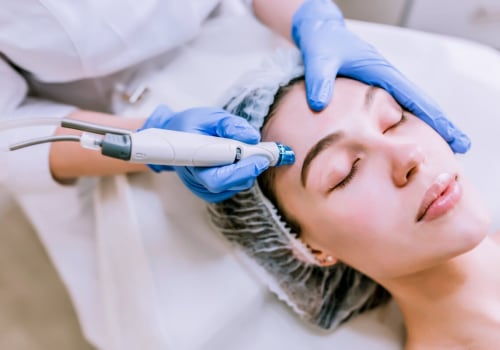
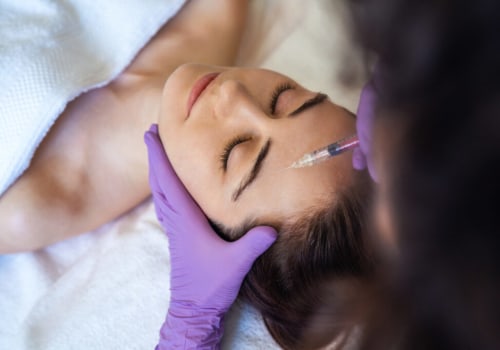
Aesthetic treatments in the UK have surged in popularity over the past decade, becoming a significant part of the UK beauty industry. From non-surgical procedures like dermal fillers and Botox to advanced laser treatments, individuals are increasingly seeking ways to enhance their appearance and boost their confidence. This growing demand reflects a broader cultural shift towards self-care and personal aesthetics, making it essential to understand the landscape of these treatments. However, with the rise in popularity comes the need for stringent . From non-surgical procedures like dermal fillers and Botox to advanced laser treatments, individuals are increasingly seeking ways to enhance their appearance and boost their confidence. This growing demand reflects a broader cultural shift towards self-care and personal aesthetics, making it essential to understand the landscape of these treatments. However, with the rise in popularity comes the need for stringent regulations to ensure safety and efficacy. Unlike many medical procedures, aesthetic treatments often fall into a grey area where oversight can be minimal.
This lack of regulation can lead to potential risks for consumers, including substandard practices and unqualified practitioners. As such, understanding the current regulatory framework surrounding aesthetic treatments in the UK is crucial for anyone considering these procedures. In this article, we will explore the various regulations that govern aesthetic treatments in the UK, highlighting why they are vital for consumer protection. By shedding light on these regulations, we aim to empower individuals with the knowledge they need to make informed decisions about their aesthetic choices.
Overview of Aesthetic Treatments
Aesthetic treatments in the UK encompass a wide range of procedures designed to enhance appearance and boost confidence. These treatments can be broadly categorized into non-surgical and surgical options, each offering unique benefits and considerations.Types of Aesthetic Treatments
- Non-Surgical Treatments: These are increasingly popular due to their minimal downtime and lower risk.
Common non-surgical procedures include:
- Botox: A neurotoxin used to temporarily paralyse muscles, reducing the appearance of fine lines and wrinkles.
- Dermal Fillers: Substances injected into the skin to restore volume, smooth out wrinkles, and enhance facial contours.
- Chemical Peels: Solutions applied to the skin to exfoliate and improve texture, tone, and clarity.
- Laser Treatments: Utilised for hair removal, skin resurfacing, and treating pigmentation issues.
- Surgical Treatments: These involve more invasive procedures that typically require anaesthesia and longer recovery times. Popular surgical options include:
- Facelifts: Surgical tightening of the skin on the face and neck to reduce sagging.
- Breast Augmentation: Enhancing breast size and shape through implants or fat transfer.
- Liposuction: A procedure that removes excess fat deposits to improve body contours.
Current Regulations Governing Aesthetic Treatments in the UK
The landscape of aesthetic treatments in the UK is shaped by a variety of regulations aimed at ensuring patient safety and maintaining high standards within the industry. Understanding these regulations is crucial for both practitioners and clients seeking aesthetic procedures.Licensing Requirements
- Practitioners offering aesthetic treatments must be appropriately qualified and, in many cases, registered with a relevant professional body.
This includes doctors, nurses, and dentists who perform procedures such as Botox injections or dermal fillers.
- Local authorities may require clinics to obtain specific licenses to operate legally, which often involves meeting health and safety standards.Local authorities may require clinics to obtain specific licenses to operate legally, which often involves meeting health and safety standards.
- The Care Quality Commission (CQC)Care Quality Commission (CQC) regulates health and social care services in England, ensuring that facilities providing aesthetic treatments adhere to strict safety protocols.
- Practitioners must follow guidelines set forth by the National Institute for Health and Care Excellence (NICE), which provides evidence-based recommendations for safe practice.
- While there is no formal licensing system specifically for aesthetic practitioners, many choose to undertake additional training courses accredited by recognised bodies to enhance their skills and credibility.
- It is advisable for clients to verify the qualifications of their practitioner, ensuring they have the necessary training in administering specific aesthetic treatments.
The Role of Regulatory Bodies
In the UK, the landscape of aesthetic treatments is shaped significantly by various regulatory bodies that ensure safety, efficacy, and professional standards. Two of the most prominent organisations in this field are the Care Quality Commission (CQC) and the General Medical Council (GMC)General Medical Council (GMC).Care Quality Commission (CQC)
The CQC is responsible for regulating health and social care services in England. This includes clinics and practitioners offering aesthetic treatments.Their role involves:
- Monitoring Standards: The CQC inspects facilities to ensure they meet essential standards of quality and safety.
- Registration: All providers of aesthetic treatments must be registered with the CQC, which requires them to demonstrate compliance with regulations.
- Public Accountability: The CQC publishes reports on its findings, allowing patients to make informed choices about where to receive treatment.
General Medical Council (GMC)
The GMC plays a crucial role in maintaining professional standards among medical practitioners, including those who perform aesthetic procedures. Their responsibilities include:- Licensing Practitioners: Only doctors registered with the GMC can legally perform certain aesthetic treatments, ensuring that practitioners have the necessary qualifications.
- Guidance on Best Practices: The GMC provides guidelines that outline the ethical and professional standards expected from medical professionals in aesthetic practices.
- Disciplinary Actions: The GMC has the authority to investigate complaints against practitioners and take disciplinary action if necessary, thereby protecting patient safety.
Consumer Protection and Safety Standards
In the UK, consumer protection laws play a crucial role in ensuring that individuals seeking aesthetic treatments are safeguarded against malpractice and substandard services. The aesthetic industry is largely unregulated, which makes it imperative for consumers to be aware of their rights and the safety standards that clinics must adhere to.Patient Rights
- Informed Consent: Patients have the right to receive comprehensive information about the treatment they are considering, including potential risks and benefits.
Clinics are required to ensure that patients understand what the procedure entails before proceeding.
- Right to Choose: Patients can choose their practitioner and should feel empowered to ask questions about their qualifications and experience.
- Right to Safety: All aesthetic treatments should be performed in a safe environment, adhering to hygiene standards and using approved products.
Safety Standards in the Beauty Industry
The UK beauty industry is governed by various regulations aimed at maintaining high safety standards. Although there is no specific regulatory body for aesthetic treatments, practitioners must comply with general health and safety laws. This includes:
- Health and Safety at Work Act 1974: This legislation requires employers to ensure the health and safety of their employees and clients.
- Cosmetic Product Regulation (EC) No 1223/2009: This regulation ensures that cosmetic products are safe for human use, which extends to some aesthetic treatments.
- Local Authority Licensing: Many local councils require clinics offering certain aesthetic procedures to obtain licenses, ensuring they meet specific health and safety criteria.
Recent Changes and Future Trends in Regulations
In recent years, the landscape of aesthetic treatments in the UK has undergone significant changes, particularly in terms of regulatory frameworks.The rise in popularity of non-surgical procedures has prompted both the government and industry bodies to reassess existing laws to ensure patient safety and treatment efficacy.One notable change is the introduction of stricter guidelines surrounding the administration of aesthetic treatments. In 2021, the UK Government announced plans to implement a licensing system for practitioners offering cosmetic procedures. This move aims to regulate who can perform these treatments, ensuring that only qualified professionals are allowed to administer potentially risky procedures such as dermal fillers and Botox.Additionally, there has been a growing emphasis on the importance of informed consent and patient education. Practitioners are now encouraged to provide comprehensive information about the risks and benefits associated with aesthetic treatments, fostering a more transparent relationship between clients and providers.
Future Trends in Aesthetic Regulations
Looking ahead, several trends are likely to shape the future of aesthetic regulations in the UK.One key trend is the increasing integration of technology in treatment protocols. As telemedicine becomes more prevalent, regulations may evolve to address remote consultations and online assessments, ensuring that patients receive adequate care even from a distance.Moreover, there is a growing call for standardised training and certification processes for practitioners. This could lead to a more uniform approach across the industry, enhancing overall treatment quality and safety.
- Increased scrutiny: Regulatory bodies may impose stricter penalties for non-compliance with safety standards.
- Consumer protection: Enhanced measures will likely be introduced to protect consumers from misleading advertising and unqualified practitioners.
- Sustainability focus: As environmental concerns rise, there may be a push towards sustainable practices within aesthetic clinics.
FAQs About Aesthetic Treatment Regulations in the UK
When considering aesthetic treatments in the UK, many individuals have questions regarding the regulations that govern these procedures.Below are some frequently asked questions that can help clarify common concerns and misconceptions.
What are the main regulations for aesthetic treatments in the UK?
Aesthetic treatments in the UK are primarily regulated by the Care Quality Commission (CQC) and various professional bodies. While there is no specific legislation solely dedicated to aesthetic procedures, practitioners must adhere to general health and safety laws, as well as guidelines set by organisations such as the British Association of Aesthetic Plastic Surgeons (BAAPS) and the General Medical Council (GMC).Who can perform aesthetic treatments?
In the UK, there are no specific qualifications required to perform non-surgical aesthetic treatments, which has raised concerns about safety and professionalism. However, it is recommended that practitioners have relevant medical training or qualifications, such as being a registered nurse or doctor. This ensures they possess the necessary skills to handle potential complications.Are there age restrictions for aesthetic treatments?
Yes, there are age restrictions in place.Most clinics will not perform aesthetic treatments on individuals under the age of 18. This is to ensure that clients are mature enough to make informed decisions about their bodies.
What should I look for in a reputable clinic?
- Qualifications: Ensure that practitioners have appropriate medical qualifications.
- CQC Registration: Check if the clinic is registered with the Care Quality Commission.
- Reviews: Look for patient testimonials and reviews to gauge satisfaction.
- Consultation: A reputable clinic should offer a thorough consultation before any treatment.
What legal concerns should I be aware of?
Legal concerns surrounding aesthetic procedures often relate to consent and patient safety. Practitioners must obtain informed consent from clients, ensuring they understand the risks involved. Additionally, clinics should have adequate insurance coverage to protect against potential claims arising from complications or dissatisfaction with results.By understanding these regulations and considerations, individuals can make more informed choices regarding their aesthetic treatment options in the UK.Conclusion: Navigating Aesthetic Treatment Regulations in the UK
In conclusion, understanding the regulations surrounding aesthetic treatments in the UK is crucial for both consumers and practitioners. As the industry continues to grow, so does the need for clear guidelines to ensure safety and efficacy in treatments.Throughout this article, we have explored various aspects of these regulations, including:- Licensing and Qualifications: It is essential for practitioners to possess the necessary qualifications and licenses to perform aesthetic procedures.
This not only protects consumers but also enhances the credibility of the industry.
- Health and Safety Standards: Adhering to health and safety standards is paramount. Practitioners must follow strict protocols to minimise risks associated with aesthetic treatments.
- Advertising Regulations: The way aesthetic treatments are marketed is also regulated. Misleading claims can lead to consumer distrust and legal repercussions for practitioners.
- Patient Consent: Informed consent is a legal requirement. Practitioners must ensure that patients are fully aware of the risks and benefits before undergoing any treatment.
It is advisable to research practitioners thoroughly, checking their credentials and reviews before proceeding with any treatment.For practitioners, staying updated on regulatory changes is vital for maintaining compliance and ensuring the highest standards of care. Engaging in continuous professional development can help practitioners stay informed about best practices and emerging trends in the field.Ultimately, navigating the landscape of aesthetic treatments in the UK requires diligence from both parties. By prioritising safety, transparency, and ethical practices, we can foster a more trustworthy environment within the aesthetic treatment industry.