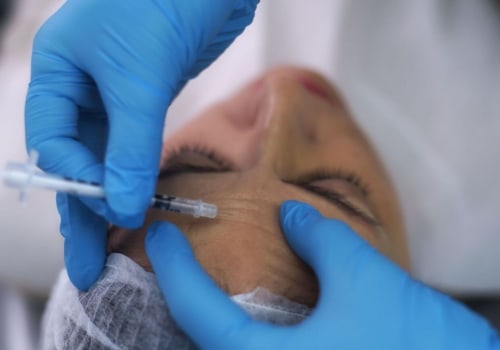
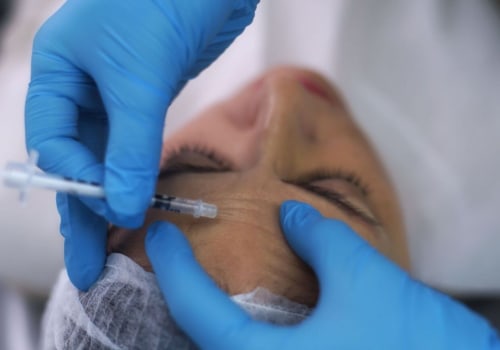
Aesthetic treatments in the UK have gained immense popularity over the past few years, as more individuals seek to enhance their appearance and boost their confidence. These treatments encompass a wide range of procedures designed to improve physical appearance, from non-invasive options like dermal fillers and chemical peels to more invasive surgeries such as facelifts and liposuction. Understanding the various types of aesthetic treatments available is crucial for anyone considering these options, as it allows for informed decision-making tailored to individual needs. The benefits of aesthetic treatments extend beyond mere cosmetic enhancement. Many individuals report increased self-esteem and improved mental well-being following their procedures.
For instance, treatments like Botox can reduce the appearance of fine lines and wrinkles, leading to a more youthful look that can positively impact social interactions and personal relationships. Additionally, many aesthetic procedures are designed to be minimally invasive, allowing for quicker recovery times and less disruption to daily life. As you explore the world of aesthetic treatments in the UK, it’s essential to consider not only the types of procedures available but also the qualifications and reputation of practitioners. This knowledge will empower you to make choices that align with your aesthetic goals while ensuring safety and satisfaction throughout your journey.
The Importance of Choosing a Reputable Practitioner
When considering aesthetic treatments in the UK, the importance of selecting a reputable practitioner cannot be overstated. A qualified and trustworthy professional not only ensures the safety and efficacy of the treatment but also enhances your overall experience.The aesthetic industry, while growing rapidly, is unfortunately also home to unqualified practitioners who may not adhere to the necessary standards of care.
Why Choose a Reputable Practitioner?
- Qualifications and Training: A reputable practitioner will have the appropriate qualifications and training in aesthetic procedures. This includes certifications from recognised institutions and ongoing education to stay updated with the latest techniques.
- Safety Standards: Qualified practitioners follow strict safety protocols, minimising the risk of complications during and after treatments. They are also equipped to handle any adverse reactions that may occur.
- Personalised Care: A trustworthy practitioner will take the time to understand your individual needs and concerns, providing tailored advice and treatment plans that align with your goals.
Risks of Unqualified Practitioners
Opting for an unqualified provider can lead to a range of serious risks:
- Inadequate Knowledge: Untrained individuals may lack the necessary knowledge about facial anatomy, leading to improper techniques that can cause injury or unsatisfactory results.
- Substandard Products: Some unqualified practitioners may use inferior or counterfeit products, which can result in complications or ineffective treatments.
- Lack of Aftercare: A reputable practitioner will provide comprehensive aftercare instructions and support, which is crucial for recovery and achieving optimal results. Unqualified providers may neglect this aspect, leaving patients without proper guidance.
Always conduct thorough research, read reviews, and verify credentials before making your choice.
Key Qualifications to Look For
When searching for a reputable practitioner for aesthetic treatments in the UK, it is crucial to consider their qualifications and certifications. This not only ensures that you receive safe and effective treatments but also helps you feel more confident in your choice of practitioner. Here are some key qualifications to look for:- Medical Background: Ideally, practitioners should have a background in medicine, nursing, or dentistry. This foundational knowledge is essential for understanding human anatomy and managing potential complications.
- Specialised Training: Look for practitioners who have completed accredited training programmes specifically focused on aesthetic treatments. These courses should cover various procedures, including injectables, laser treatments, and skin rejuvenation techniques.
- Certification: Ensure that the practitioner holds relevant certifications from recognised bodies.
In the UK, organisations such as the British College of Aesthetic Medicine (BCAM) and the General Medical Council (GMC)General Medical Council (GMC) provide guidelines and standards for aesthetic practice.
- Continuous Professional Development: A reputable practitioner should engage in ongoing education to stay updated with the latest techniques and safety protocols. Ask about their participation in workshops, seminars, or additional training courses.
- Membership in Professional Associations: Membership in professional associations can be a good indicator of a practitioner's commitment to high standards. Look for affiliations with organisations like the British Association of Cosmetic Nurses (BACN).
Researching Practitioners: Where to Start
Finding a reputable practitioner for aesthetic treatments in the UK requires thorough research and careful consideration.Here are some effective steps to guide you in your search:
- Start with Online Research: Begin by searching for aesthetic clinics in your area. Websites like Trustpilot and Google Maps can provide valuable insights into local practitioners. Look for clinics that have a strong online presence and positive feedback.
- Check Qualifications: Ensure that the practitioners are qualified and registered with relevant professional bodies, such as the General Medical Council (GMC) or the Nursing and Midwifery Council (NMC). This information is often available on their clinic's website or can be verified through official registries.
- Read Online Reviews: Pay close attention to online reviews.
Look for patterns in feedback regarding the quality of care, professionalism, and results. While one negative review may not be a dealbreaker, consistent complaints about a specific issue should raise red flags.
- Social Media Insights: Explore social media platforms like Instagram and Facebook where many aesthetic practitioners showcase their work. This can give you a sense of their style and the results they achieve. Additionally, check for comments and interactions from previous clients.
- Consultation Visits: Once you have narrowed down your options, schedule consultations with potential practitioners.
This allows you to assess their communication style, professionalism, and whether you feel comfortable discussing your aesthetic goals.
Questions to Ask During Consultations
When considering aesthetic treatments in the UK, it’s crucial to have a thorough consultation with your chosen practitioner. This is your opportunity to gather information and assess their suitability for your needs. Here are some essential questions to ask during your consultation:- What qualifications and experience do you have? Ensure that the practitioner is qualified and has relevant experience in performing the specific treatment you are considering.
- Can you provide before-and-after photos of previous patients? Viewing real results can help you gauge the practitioner’s skill and the potential outcomes of your treatment.
- What are the potential risks and side effects? Understanding the risks involved will help you make an informed decision about whether to proceed.
- How do you handle complications or adverse reactions? It’s important to know how the practitioner manages any issues that may arise during or after treatment.
- What is the expected recovery time? Knowing how long it will take to recover can help you plan accordingly, especially if you have work or social commitments.
- What products or techniques do you use? Inquire about the specific products and techniques they employ, as this can affect both safety and results.
- How many treatments will I need, and what is the cost? Understanding the financial commitment and treatment plan is essential for budgeting and expectations.
A reputable professional will be open, transparent, and willing to address all your concerns, ensuring that you feel comfortable moving forward with your aesthetic treatment.
Understanding Treatment Costs and Financing Options
When considering aesthetic treatments in the UK, understanding the associated costs is crucial for making informed decisions. The price of these procedures can vary significantly based on factors such as the type of treatment, the practitioner's expertise, and the location of the clinic. For instance, non-surgical treatments like dermal fillers or Botox can range from £200 to £600 per session, while more extensive procedures such as laser skin resurfacing or liposuction may cost anywhere from £1,500 to £5,000. It's essential to research and compare prices across different clinics to ensure you are getting a fair deal.Financing Options for Aesthetic Procedures
Many clinics offer financing options to help patients manage the costs of their aesthetic treatments. These options can include:- Payment Plans: Some clinics allow patients to pay for their treatments in instalments, making it easier to budget over time.
- Credit Options: Certain providers partner with finance companies to offer credit solutions specifically for aesthetic procedures.
- Promotional Offers: Keep an eye out for seasonal promotions or discounts that can significantly reduce the overall cost.
Consider not only the treatment costs but also potential follow-up sessions and maintenance treatments that may be required. By planning ahead and understanding your financial options, you can enjoy your aesthetic journey with peace of mind.
Reading Reviews and Testimonials Effectively
When searching for a reputable practitioner for aesthetic treatments in the UK, reading reviews and testimonials can provide invaluable insights. However, it’s essential to approach these reviews with a critical eye to ensure you’re making an informed decision.Understanding the Context of Reviews
- Source Credibility: Consider where the reviews are posted. Trusted platforms like Google, Trustpilot, or specific aesthetic treatment forums often have more reliable feedback than personal blogs or social media posts.
- Volume of Reviews: A practitioner with numerous reviews is generally more trustworthy than one with only a handful.
Look for patterns in feedback rather than focusing solely on individual comments.
Evaluating Practitioner Reviews
- Look for Specifics: Pay attention to detailed testimonials that mention specific treatments, results, and the practitioner’s approach. Vague comments may not provide enough information to gauge quality.
- Balance of Feedback: A mix of positive and negative reviews can indicate a practitioner's reliability. If all reviews are overwhelmingly positive, it may be worth investigating further.
- Response to Feedback: Check how practitioners respond to negative reviews. A professional response can demonstrate their commitment to patient satisfaction and willingness to address concerns.
The Importance of Testimonials
Testimonials can significantly influence your choice of practitioner.
They often reflect real-life experiences and outcomes, helping you set realistic expectations. Look for testimonials that discuss:
- The overall experience during the consultation and treatment process.
- The professionalism and friendliness of the staff.
- The effectiveness of the treatment and any follow-up care provided.
Regulatory Bodies and Their Role in Aesthetic Treatments
When seeking aesthetic treatments in the UK, understanding the role of regulatory bodies is crucial for ensuring safety and quality. Several key organisations oversee aesthetic practices, providing guidelines and standards that practitioners must adhere to.The Care Quality Commission (CQC)
is one of the primary regulatory bodies in England.
It inspects and regulates health and social care services, including aesthetic clinics. The CQC ensures that facilities meet essential standards of quality and safety, which is vital for patient protection.Another important body is the General Medical Council (GMC) , which regulates doctors in the UK. Practitioners offering aesthetic treatments must be registered with the GMC, ensuring they have the necessary qualifications and adhere to ethical standards. This registration helps patients verify that their practitioner is qualified to perform specific procedures.In addition to these, the Nursing and Midwifery Council (NMC) oversees nurses who provide aesthetic treatments.
Registered nurses must comply with NMC standards, ensuring they maintain professional competence and deliver safe care.Furthermore, organisations like the British Association of Aesthetic Plastic Surgeons (BAAPS) and the British College of Aesthetic Medicine (BCAM) play a significant role in promoting best practices within the industry. They offer training, resources, and support for practitioners while advocating for patient safety.To ensure you are receiving treatment from a reputable practitioner, look for those who are members of these regulatory bodies or associations. This affiliation often indicates a commitment to ongoing education and adherence to established safety protocols.In summary, understanding the regulatory landscape surrounding aesthetic treatments in the UK is essential for making informed choices. By choosing practitioners who are regulated by recognised bodies, you can significantly reduce risks associated with aesthetic procedures.
Common Myths About Aesthetic Treatments Debunked
When considering aesthetic treatments in the UK, it's essential to separate fact from fiction.Many individuals hold misconceptions that can deter them from seeking beneficial procedures. Here, we debunk some of the most common myths surrounding aesthetic treatments.
- Myth 1: Aesthetic treatments are only for the wealthy. This is a prevalent misconception. While some procedures can be costly, many clinics offer a range of options to suit different budgets. Additionally, financing plans are often available, making treatments more accessible.
- Myth 2: Aesthetic treatments are only for women. The truth is that aesthetic treatments are increasingly popular among men as well.
From anti-wrinkle injections to skin rejuvenation, men are embracing these options to enhance their appearance and boost confidence.
- Myth 3: All aesthetic treatments are painful. While some procedures may involve discomfort, many practitioners use numbing agents or offer sedation options to ensure a more comfortable experience. It's crucial to discuss any concerns with your practitioner beforehand.
- Myth 4: Results are immediate and permanent. Many aesthetic treatments provide instant results, but some require time for full effects to manifest. Moreover, results can vary based on individual factors and may not be permanent, necessitating follow-up treatments.
- Myth 5: Aesthetic treatments are unsafe. When performed by qualified and experienced practitioners, aesthetic treatments are generally safe. It's vital to research and choose a reputable provider who adheres to safety standards and regulations.
Always consult with a qualified practitioner to address any concerns and ensure you receive accurate information tailored to your needs.
Conclusion: Making an Informed Choice for Your Aesthetic Treatment Journey
In conclusion, embarking on your journey towards aesthetic treatments in the UK requires careful consideration and thorough research. The importance of selecting a reputable and trustworthy practitioner cannot be overstated, as it directly impacts both the safety and effectiveness of your treatment. Throughout this article, we have highlighted several key factors to consider:- Qualifications and Experience: Always verify the credentials of your practitioner. Look for qualifications from recognised institutions and relevant experience in the specific treatment you are considering.
- Consultation Process: A reputable practitioner will offer a comprehensive consultation, allowing you to discuss your goals, ask questions, and understand the procedure in detail.
- Reviews and Testimonials: Researching patient reviews can provide insight into the practitioner's reputation. Look for testimonials that reflect positive experiences and successful outcomes.
- Safety Standards: Ensure that the clinic adheres to strict health and safety regulations.
This includes using high-quality products and maintaining a clean environment.